
How You’d Rule a Post-Apocalyptic World, Based on Your Myers and Briggs Personality Type
So, the apocalypse happened. Whether it was zombies, nuclear fallout or just society finally collapsing under the weight of its own bad decisions, here we are—everything is in ruins, and survival is the only thing that matters.
Some people saw it coming (cough INTJs cough), others are completely unprepared (looking at you, ENFPs), and a select few are already thriving because chaos is their natural element (hello, ESTPs).
But what does survival actually look like for each personality type? Who’s building an empire, who’s just trying to keep people alive, and who’s going to get themselves killed doing something unnecessarily dramatic?
Let’s break it down.
INTJ – The Mastermind in a Bunker![INTJ Mastermind]()

Strengths: Strategy, long-term planning, calm under pressure, unparalleled ability to judge others silently from the shadows.
INTJs saw this coming. They had a detailed, step-by-step apocalypse contingency plan written out in 2012. They knew the government was unreliable, that the economy would eventually collapse, and that people would, in fact, eat each other if pushed to the brink. While everyone else was panic-buying toilet paper, the INTJ was quietly securing an underground bunker stocked with Meals, Ready-to-Eat, books on war strategy and a solar-powered laptop for writing their dystopian novel.
By the time you realize you need their help, the INTJ has already built a functioning micro-society in their bunker, complete with a leadership hierarchy and a system of laws based on efficiency and quiet obedience. But don’t worry—you can join, as long as you prove yourself useful and follow the rules outlawing small talk.
Survival Rate: 98% (unless they get so absorbed in theoretical apocalypse governance that they forget to check for raiders).
ENTJ – Supreme Overlord of the New World Order

Strengths: Ruthless efficiency, strategic thinking, visionary outlook, the ability to intimidate even zombies into submission.
While others are still weeping over the loss of WiFi, the ENTJ has already established a post-apocalyptic empire. They’ve taken over a local warehouse, turned it into a fortified headquarters, and recruited a band of loyal survivors by sheer force of will. If you’re wandering the wasteland aimlessly, the ENTJ will probably recruit you into their growing army—willingly or otherwise.
This is the person who figured out how to harness renewable energy in a post-nuclear landscape before they figured out how to boil water. Their leadership is unquestionable. Their vision for the future is undeniable. The only real problem? They may forget about the little details that keep life sustainable like sleep or small moments of leisure time.
Survival Rate: 99% (as long as they don’t get overthrown in a dramatic power struggle, Julius Caesar style).
INTP – The One Who Accidentally Reinvents Civilization

Strengths: Unparalleled ingenuity, an endless curiosity, the ability to build a nuclear reactor from scrap metal and sheer boredom.
At first, the INTP struggles. Not because they’re weak, but because they’re too busy theorizing about the collapse of civilization to actually prepare for it. They wander the wasteland, lost in thought, occasionally muttering things like "This is actually a fascinating case study in human behavioral regression."
Eventually, however, their brilliance kicks in. They start experimenting. Before you know it, they’ve reverse-engineered a power grid using only car batteries, scavenged electronics, and an old physics textbook. They’re growing food using hydroponics in a makeshift greenhouse, and they’ve accidentally built a working AI from spare laptop parts.
Unfortunately, they are so deep in thought that they forget basic survival needs—like food, water, and looking over their shoulder. They’ll need an ESTP or an ESTJ to remind them that theoretical survival and actual survival are two very different things.
Survival Rate: 70% (higher if someone else remembers to feed them).
ENTP – The Rogue Innovator Who’s Having Too Much Fun

Strengths: Quick thinking, adaptability, an unsettling ability to talk their way out of any situation.
ENTPs don’t just survive the apocalypse—they gamify it. The collapse of society means no more rules, no more deadlines, and no more arbitrary social expectations. It’s finally their time to shine.
While everyone else is forming rigid survival groups, the ENTP is having an absolute blast setting up elaborate scavenger raids, testing bizarre new weapons ("What if we strap knives to a drone?"), and starting entirely unnecessary rivalries between survivor factions.
They have no set base, no hierarchy of leadership and somehow, despite all odds, they are still alive. No one knows how. Maybe it’s sheer luck. Maybe it’s their gift of persuasion. Maybe they just confuse their enemies so much that they escape before anything bad happens.
Survival Rate: 80% (100% entertainment value, though).
INFJ – The Mysterious Prophet Who Knows Too Much

Strengths: Uncanny ability to predict events, deep emotional insight, long-range survival instincts.
The INFJ knew this was coming. Maybe they didn’t have a bunker like the INTJ, but they felt something shifting. The social fabric was unraveling, the air was thick with existential dread, and the INFJ had a creeping sense of doom for at least five years before everything fell apart.
Now, in the post-apocalyptic wasteland, they’ve become a wandering sage. People seek them out for wisdom, and warm hugs. INFJs sit by the fire, telling survivors what they need to hear, not what they want to hear. They help people process trauma, heal old wounds, and find meaning in the rubble of civilization.
However, their biggest struggle is taking care of themselves. They’re so busy helping others find their way that they sometimes forget they, too, need food and water. If they don’t find a practical, grounded survival buddy (cough an ISTP or ESTP), they’re doomed to a poetic but unnecessary demise.
Survival Rate: 65% (higher if they get adopted by a Sensing type).
ENFJ – The Charismatic Leader of the Last Good Community
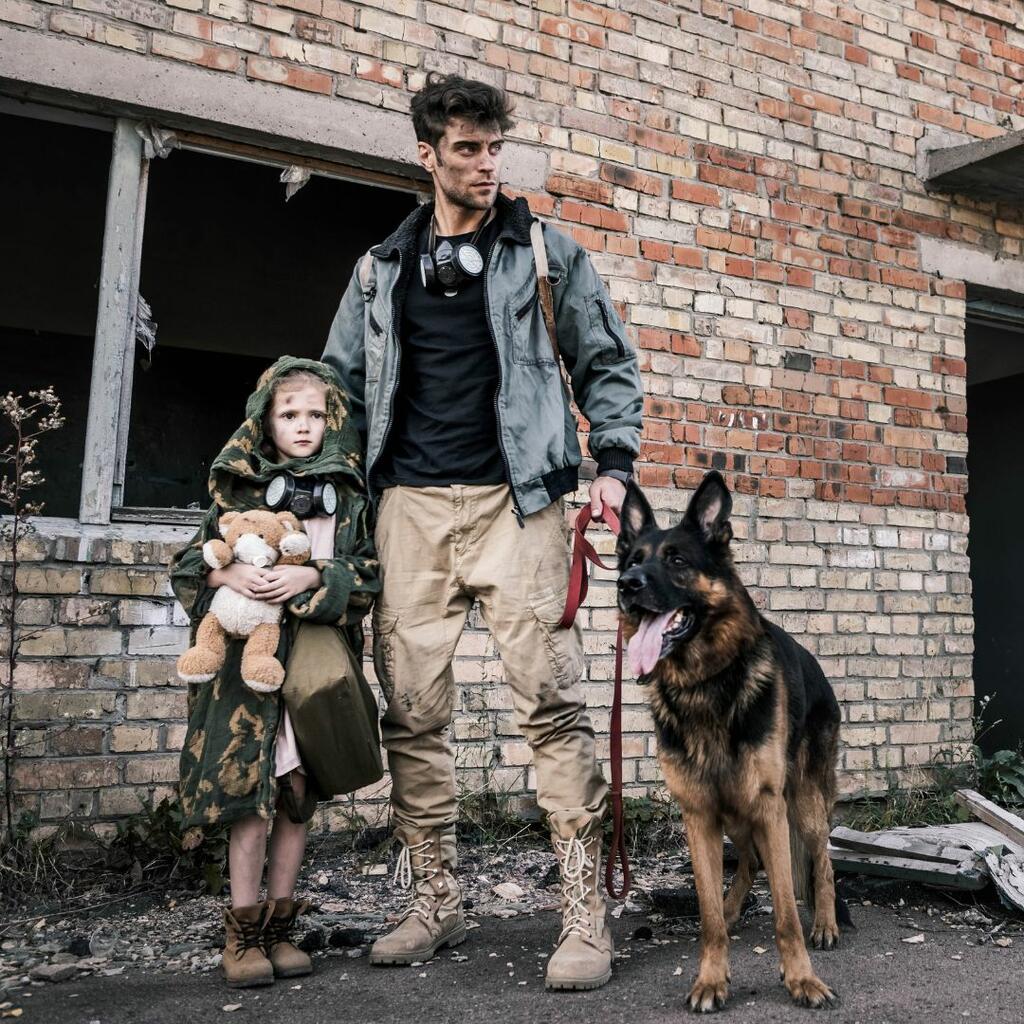
Strengths: Inspiring leadership, a near-telepathic understanding of people, the ability to keep morale high even when things are objectively terrible.
The ENFJ refuses to let the world turn into chaos. While everyone else is out for themselves, ENFJs are out here rebuilding society from scratch.
Within weeks of the collapse, they’ve organized a fully functional, self-sustaining community where everyone has a role, food is shared fairly, and hope is still alive. Need shelter? The ENFJ will find you a place to stay. Starving? They’ll make sure you get fed. Losing your mind because civilization just ended? They’ll sit with you and remind you that life still has meaning.
Their biggest challenge? They care too much. They’ll burn themselves out trying to keep everyone safe, including people who probably should not be trusted. They also struggle with enforcing strict survival rules—at least until an ESTJ or INTJ shows up to provide structure.
Survival Rate: 90% (but only if they learn to let go of people who will 100% betray them).
INFP – The Wandering Bard Who Was Made for This (Kind Of)

Strengths: Deeply attuned to their personal values, highly creative, capable of adapting to unconventional survival methods.
The INFP is conflicted. On one hand, society was kind of a mess anyway, so maybe this is a fresh start? On the other hand, everything is now terrible, and they are running out of protein bars.
Unlike the INTJ, they didn’t see the apocalypse coming in a practical sense, but they’ve definitely written about it in their journal for years. They have thoughts.
Their best shot at survival is joining a community where they can contribute through storytelling, art, or spiritual guidance. Alternatively, they may live alone in the woods, befriending wolves and writing poetry about the end of the world.
Their biggest weakness? Decision-making. They’ll spend days agonizing over whether to trust a new group or keep wandering. If they overthink it for too long, they might die of hunger while debating the moral implications of stealing someone else’s food.
Survival Rate: 50% (higher if they find an ESTP to protect them).
ENFP – The Chaotic Good Survivor Who Won’t Stay in One Place

Strengths: Adaptability, charisma, boundless energy, the ability to find joy even in the worst circumstances.
ENFPs like things unpredictable, so the apocalypse is actually weirdly satisfying for them—not in a traditional spa-day sense, but in an “I just stole a horse and started a rebellion” way.
For them, the end of the world is an adventure. They’ve joined (and left) at least six different survival groups, purely because they got bored or found the leadership “too rigid.” If anyone is going to rediscover laughter in the apocalypse, it’s the ENFP. They find beauty in the small things—a well-cooked meal, a flower growing in the ruins, the way a group of survivors becomes a found family.
But their impulsiveness is also their downfall. They make friends way too easily and trust people way too quickly. Their constant movement keeps them alive, but it also puts them in dangerous situations. There’s a 90% chance they will try to befriend the wrong warlord and end up narrowly escaping execution.
Survival Rate: 60% (higher if they get a cautious, sensible friend like an ISTJ).
ISTJ – The No-Nonsense Apocalypse Prepper
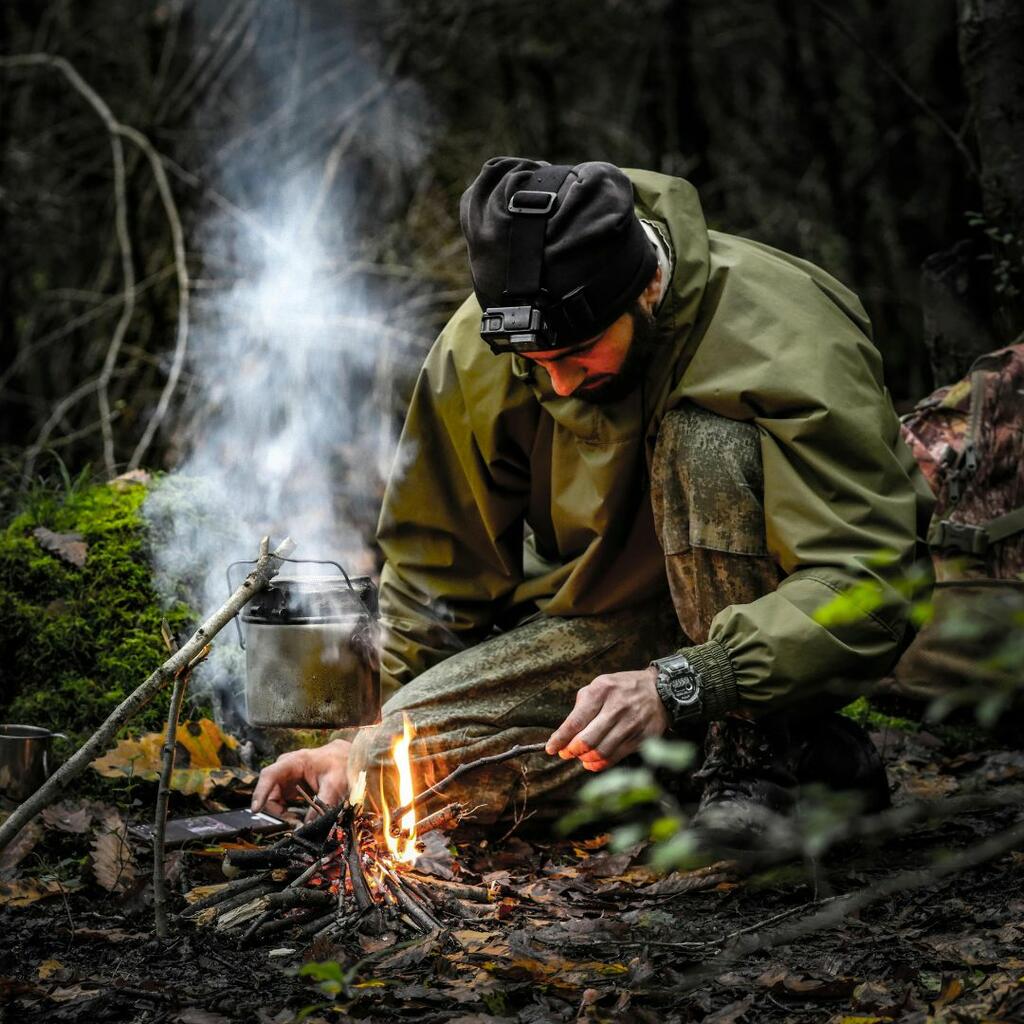
Strengths: Practical, methodical, prepared for literally everything.
The ISTJ isn’t even slightly surprised that society collapsed. They saw the warning signs, prepared accordingly, and have been sitting in their perfectly fortified home, eating canned beef stew, while everyone else fights over scraps.
They have a fully stocked bunker with a meticulously organized survival guide. There’s an inventory of all food supplies, a rotating rationing system, and strict rules about when and how resources should be used. They’re so prepared that they probably already had an “In Case of Apocalypse” binder before the world ended.
The problem? People. The ISTJ has zero patience for anyone who doesn’t follow the rules. If you come to them looking for help, they’ll probably assist you—but you’d better be prepared to pull your weight. If you try to waste food, act emotionally irrational, or God forbid reorganize their supply shelf, you will be banished immediately.
Survival Rate: 99% (unless they refuse to form alliances and get outnumbered).
ESTJ – The Ruthless Warlord Who Keeps the Trains Running

Strengths: Leadership, discipline, and the ability to be logical in a world of total chaos and confusion.
While everyone else was panicking, the ESTJ took control. Within weeks, they’ve built a fortified stronghold, created a strict hierarchy and enforced rules that keep people in line.
They don’t tolerate weakness, indecision or people who can’t follow basic instructions. They are ruthless, but fair—the kind of leader who will protect their people, but only if their people earn it. If you don’t do your part, you’re out. No exceptions.
That said, the ESTJ isn’t all cold-hearted. They genuinely believe in restoring order and rebuilding society. Their biggest flaw? Micromanaging. They will absolutely start a war over how supplies should be organized or whether the cooking rotation is being followed correctly.
Survival Rate: 95% (unless they get overthrown by a chaotic uprising).
ISTP – The Lone Wolf Survivalist

Strengths: Mechanical genius, adaptability, troubleshooting, unshakable in a crisis.
The ISTP was born for the apocalypse. They weren’t planning for it like the ISTJ, but who needs plans when you have improvisation skills and a complete lack of fear?
The second things go south, the ISTP disappears into the woods. They’re building shelters, crafting weapons and setting traps while everyone else is still arguing over what to do. They don’t need a group. They don’t need rules. They don’t even need a map. They’ll figure it out.
If you do manage to find an ISTP and gain their trust, congratulations—you now have a badass, highly capable, zero-BS survival partner. But don’t expect deep conversations or emotional support. If you get injured, they’ll fix you up. If you cry about it, they’ll stare at you awkwardly and then leave to go sharpen their knife.
Their biggest flaw? Boredom. If things get too “easy,” they might actively seek out danger just for fun.
Survival Rate: 90% (but only because they might get themselves killed doing something reckless).
ESTP – The Fearless Scavenger Who Always Finds a Way
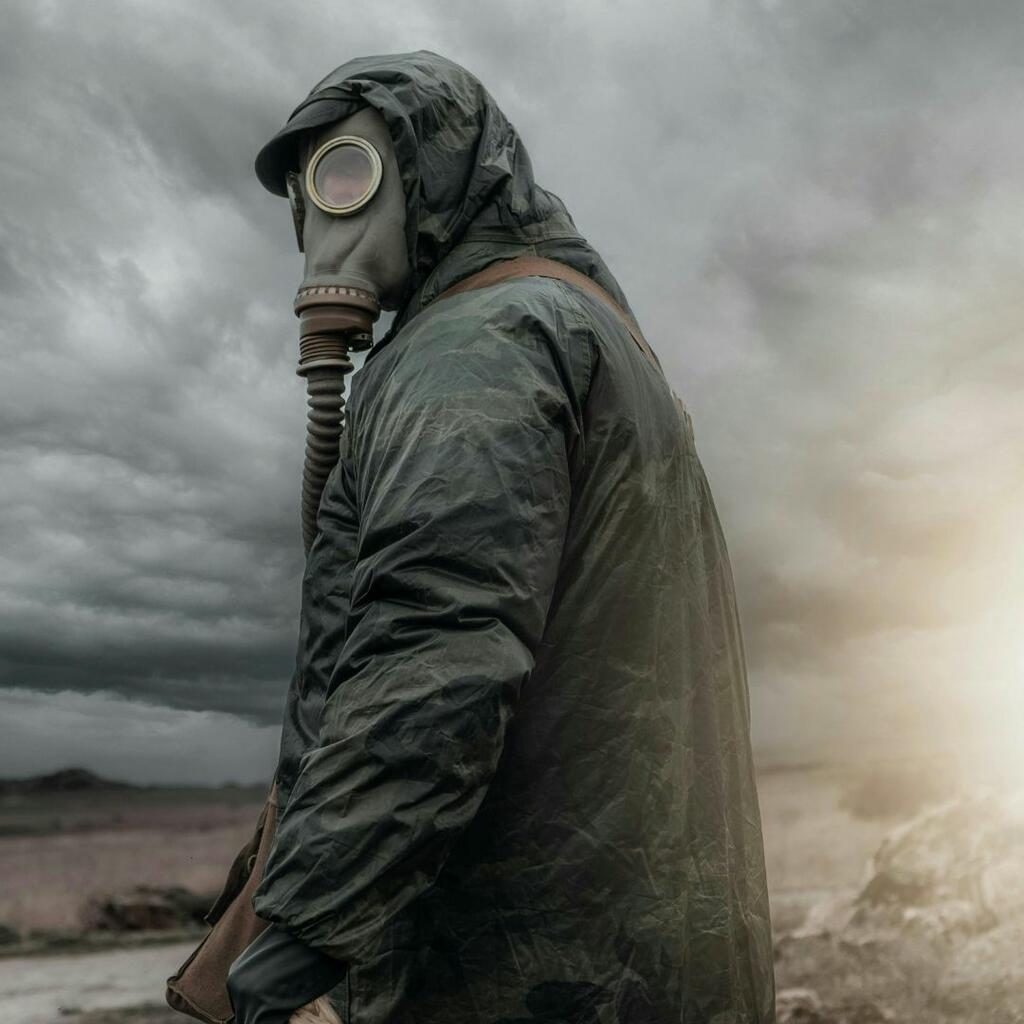
Strengths: Fast reflexes, street smarts, uncanny ability to talk their way out of trouble.
ESTPs blossom in the apocalypse. Not because they planned for it. Not because they’re particularly cautious. But because they don’t hesitate.
While others are still arguing about what to do, the ESTP has already stolen a car, found a working shotgun and mapped out a water filtration system in a nearby stream. They can talk their way into (and out of) anything, charm their way into survivor groups and fight like an absolute beast when necessary.
Their biggest weakness? Impulsivity. They take too many risks, crack jokes when they should be serious, and might start unnecessary fights just because it’s fun. They’ll be fine most of the time, but eventually, their luck might run out.
Survival Rate: 85% (unless they push their luck one too many times).
ISFJ – The Overworked Caregiver Keeping Everyone Alive
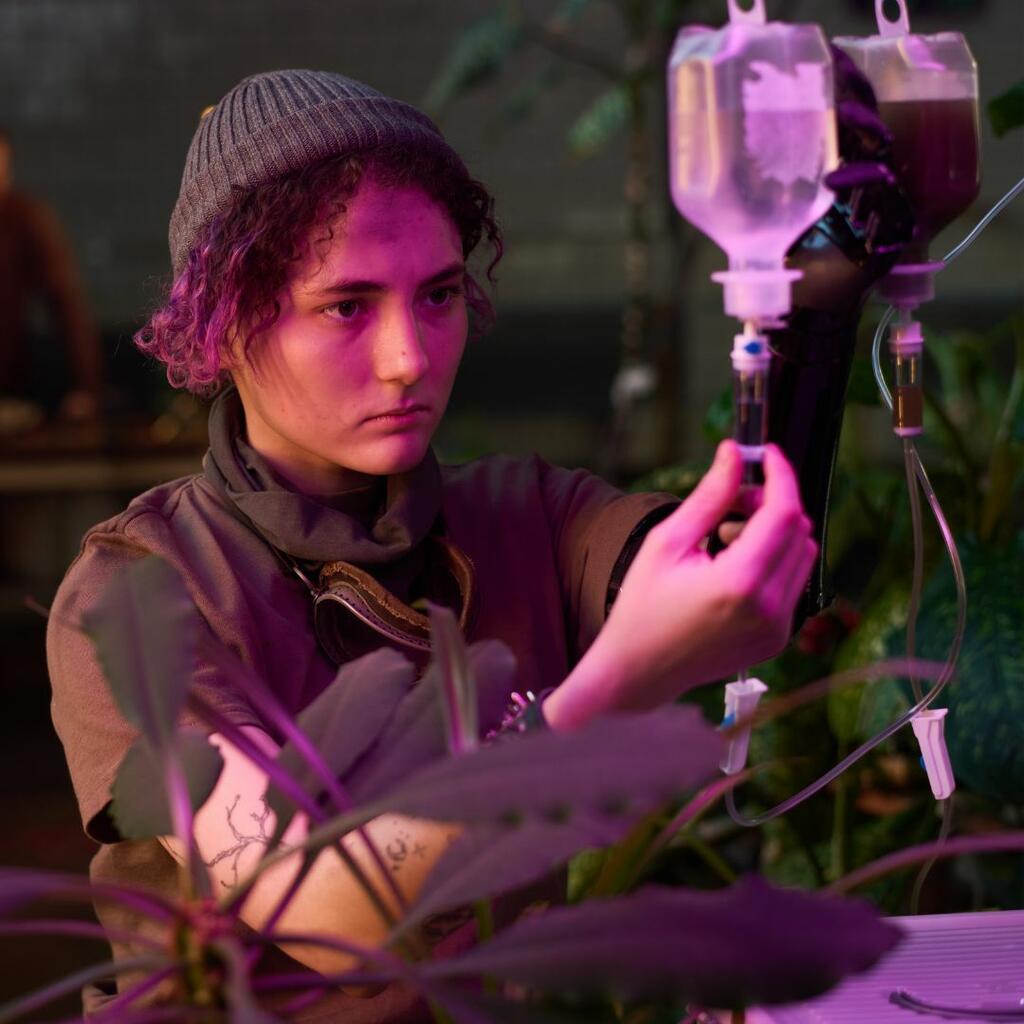
Strengths: Reliable, nurturing, prepared for every situation with an emergency first-aid kit.
ISFJs didn’t want the apocalypse. It’s messy, it’s chaotic, and worst of all—it means people are suffering.
So what do they do? They take care of everyone.
Before you even realize you're dehydrated, the ISFJ is handing you water. Before you know you need shelter, they've built one. Before you fully process your emotional trauma, they’re already comforting you with a warm meal and a quiet, reassuring presence.
Their biggest struggle? Burnout. ISFJs give too much, and in a world where compassion is scarce, they’ll be pulled in a million directions. If they don’t set boundaries, they’ll either run themselves ragged or be taken advantage of by ruthless survivors.
Survival Rate: 80% (higher if they get a blunt ISTP or ENTJ to tell them when to stop helping).
ESFJ – The Heart and Soul of the Survivor Community

Strengths: Community-building, exceptional memory for people’s needs, natural leadership.
While ESTJs are building post-apocalyptic settlements, ESFJs are making them livable.
They know everyone’s name, they remember birthdays, and they’re the reason there’s still a sense of culture in the wasteland. The ESFJ makes sure people don’t lose their humanity, even when everything else is lost.
Need food? They’ve organized a system to make sure everyone gets their fair share. Need a place to sleep? They’ll find you one. About to have a full-blown existential crisis? They’ll talk you through it, probably while handing you a homemade meal of acorn flour pancakes.
Their biggest struggle? Naivety. They want to believe people are good, which means they sometimes trust the wrong ones. They need a cynical, no-nonsense partner (like an ISTJ or an INTJ) to keep them from getting manipulated.
Survival Rate: 85% (higher if they team up with a strategic type to handle security).
ISFP – The Soft-Spoken Badass Who Does Their Own Thing

Strengths: Independent, creative, can live off the land while still looking effortlessly cool.
The ISFP wasn’t planning for the apocalypse, but they adapt quickly. They’ll survive because they want to—but they won’t do it your way.
While others are forming survival groups, the ISFP is alone in the woods, living off the land, crafting weapons and painting on cave walls for emotional catharsis. If you come across them, they’ll probably share their food with you—but only if you’re not annoying.
They’re kind, but not stupid. If they decide to help you, it’s because they chose to—not because they feel obligated. They’re not about to be manipulated by some power-hungry ESTJ or an overly emotional NF. They march to the beat of their own hand-made drum, and they’re not afraid to go it alone.
Their biggest struggle? Compassion. While they might look aloof on the outside, they care deeply. They keep finding stray dogs and cats that they can’t help but take under their wing. As a result, they might starve because they’re giving all their food to their pets.
Survival Rate: 70% (higher if they let a few four-legged friends go).
ESFP – The Apocalypse Party Starter Who Won’t Let the World Be Boring

Strengths: Fearless, adaptable, able to turn even the most dire situations into a good time.
The world is ending, and the ESFP is seizing the day. Not because they wanted the apocalypse, but because they refuse to be miserable.
Everyone else is in survival mode. The ESFP? They’re having fun with it. They’ll be the first to set up a campfire, tell stories and teach people how to enjoy life again. They’ve probably stolen a cool leather jacket and are riding through the wasteland on a motorcycle.
The ESFP is a risk-taker, which means they find things others miss—supplies, safe hideouts, hidden passageways. They can scavenge like no one else and talk their way out of anything.
Their biggest struggle? As with their friend, the ESTP, it’s impulsivity. They take way too many risks, trust people too easily, and might steal from the wrong person just for fun. They’ll survive, but for how long?
Survival Rate: 65% (higher if they get an ISTJ to keep them from doing something reckless).
Who Actually Makes It?
The apocalypse is unforgiving, and let’s be real—not everyone is making it out alive. Some will build fortified kingdoms, others will lead rebellions, and a few will straight-up disappear into the wilderness, never to be seen again.
The NTs are playing chess with the apocalypse, the NFs are trying to make it meaningful, the STs are getting things done, and the SFs are keeping people from completely losing their humanity.
So, who survives? The ones who adapt. The ones who think ahead. The ones who know how to use their strengths without letting their weaknesses get them killed.
And the ESTP, because somehow, they always do.
Susan Storm is a certified MBTI® practitioner and Enneagram coach. She is the mom of five children and loves using her knowledge of personality type to understand them and others better! Susan has written over 1,000 articles about typology as well as four books including: Discovering You: Unlocking the Power of Personality Type, The INFJ: Understanding the Mystic, The INTJ: Understanding the Strategist, and The INFP: Understanding the Dreamer. Find her at Psychology Junkie.


