
The Most Influential Person of Each Myers-Briggs Personality Type
These days, it seems like everyone wants to be an influencer. But influence isn’t just about follower count or having a perfectly imperfect Instagram aesthetic. It’s about how someone shapes the thoughts, behaviors or decisions of others (for better or worse).
Truly influential people are those who lean into their strengths and are able to communicate those strengths to others, whether it be through their words, actions or the work they create. For some, influence is loud and sparkly – the human equivalent of a glitter bomb. For others, influence is like a soft breeze that hits you at just the right moment, changing your life forever. While some influential figures are universally beloved, plenty are controversial, especially when they challenge the status quo or say the quiet part out loud.
So, if you’ve ever thought of yourself as incapable of influencing others, think again. You don’t necessarily need a TED Talk, a bestselling novel or a popular YouTube channel to shape the world around you (but hey, if that’s what you want, go for it!). Influence comes in all flavors, and your Myers-Briggs type might give you a clue as to what your specific style can look like.
To prove that anyone can be influential, I’ve rounded up one highly influential person for each of the 16 Myers-Briggs types.
Which influential person are you most like? Take our 16 types test to find out!
INTJ: Mark Zuckerberg

“I’m here to build something for the long-term. Anything else is a distraction.” – Mark Zuckerberg
From launching Facebook from his dorm room to becoming one of the largest tech entrepreneurs in the world, Mark Zuckerberg embodies a true INTJ business mindset. He’s willing to take big risks and make bold moves as long as they’re aligned with his big-picture vision of creating an accessible, virtual space for humans to connect, create and work. His company, Meta, aims to do this by making “personal superintelligence” accessible to everyone so that they can use it however they believe it would best serve them.
Zuckerberg is known for being intensely focused, analytical and strategic – all traits common among INTJ personality types. His technological foresight gives him the confidence to make high-impact (and sometimes controversial) business moves. His logical and cerebral public persona has given him a reputation for seeming robotic, which contrasts with his bold decision-making behind-the-scenes.
Mark Zuckerberg exemplifies what an INTJ can look like when they balance their bold visionary thinking with their sharp planning and execution skills, while not completely neglecting values along the way. Zuckerberg often highlights his value of making his product accessible. He's also played a major role in global debates around data privacy, free speech and the societal impact of social media. Whether admired or criticized for his unique approaches to business and technology, Zuckerberg remains one of the most powerful figures in the modern tech landscape.
ENTJ: Kamala Harris
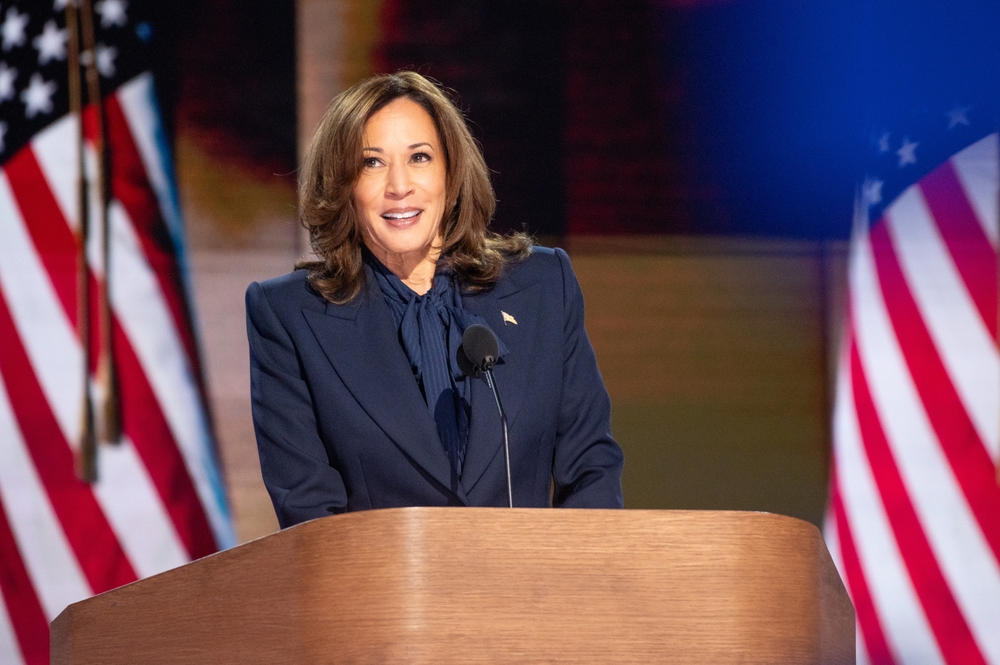
“The job of an elected official is not to sing a lullaby and soothe the country into a sense of complacency. The job is to speak truth, even in a moment that does not welcome or invite its utterance.” – Kamala Harris
ENTJs like Kamala Harris are visionary and ambitious leaders, motivated to organize change. Harris’ tenacity, confidence and strategic leadership have helped her navigate a challenging career in public service and break barriers in roles where few women – particularly women of color – have stood before.
Harris has achieved many firsts in her lifetime: she is the first woman, first Black American, and first South Asian American to hold the office of Vice President of the United States. As Vice President, she led efforts on issues such as voting rights, reproductive freedom and gun violence prevention.
ENTJs are driven by success and rarely pass up a chance to step into leadership, so it was no surprise when she stepped in at the last minute as the Democratic nominee for president in 2024 (although one can argue that being thrown into the ring the final hour was too much, too fast – even for someone as determined and prepared as Harris was).
Despite losing the election in 2024, she continues to make strategic moves as she navigates the next steps in her career and advocates for the people and causes she believes in. Her influence lies in her symbolic power as a trailblazer, as well as her role in shaping policy and advocating for equity. Say what you will about Kamala Harris, but it’s likely that her influence will only become greater in the years to come.
INTP: Elon Musk

“If something's important enough, you should try. Even if the probable outcome is failure.” – Elon Musk
Elon Musk’s unconventional and relentless leadership makes him one of the most influential people on the planet. As an INTP, Musk’s influence has its own unique flavor: bold, risky and polarizing with a splash of the absurd (to keep things fun).
The inventive entrepreneur is the brains behind some of the world’s most transformative companies: Telsa, which revolutionized the electric vehicle market, and Space X, which is making reusable rockets a reality, drastically reducing the cost of space travel. Musk frequently challenges the status quo, questions norms and pushes big ideas, even (and maybe especially) when they seem unrealistic to most people – all hallmark traits of an INTP personality type.
As a Thinking type, Musk doesn’t sugarcoat his words and isn’t afraid to push buttons. His straightforward nature inspires others, especially those of similar personality types who resonate with his worldview and unorthodox approach to life. It also gets him a lot of backlash. But in typical INTP fashion, the world’s richest person is much more focused on his next big idea (which currently seems to be starting a new political party) than what anyone thinks about him.
ENTP: Barack Obama

“Issues are never simple. One thing I'm proud of is that very rarely will you hear me simplify the issues.” – Barack Obama
The 44th President of the United States, Barack Obama, made history as the first African American to hold the office. Admired for his calm demeanor, intellectual curiosity and charisma, Obama is likely an ENTP personality type.
Obama is highly intellectual, ambitious and strategic – he understands how to use the power of words to excite and inspire audiences. Behind the scenes, however, he is known for being more direct and reserved. In her book, Becoming, Michelle Obama tells the story of how, shortly after they married, her husband went to Bali for 5 weeks to write a book. “I’d married an outside-the-box thinker, I had to remind myself,” she said of the unique decision.
Obama’s unique approach to life was evident in his campaign promises, focusing on change and questioning existing systems. While criticized for being overly idealistic, Obama’s presidency saw many systemic changes, including expanding health insurance coverage to millions under the Affordable Care Act, stabilizing the economy after the Great Recession, implementing financial reform laws, and championing marriage equality prior to the legalization of same-sex marriage in 2015. After leaving office, Obama’s continuous advocacy for democracy and civic engagement demonstrates his enduring impact on America and the world.
ISFJ: Rachel Griffin Accurso (Ms. Rachel)

“Every child, person and every family deserves to feel valued, loved and safe.” – Ms. Rachel
Rachel Griffin Accurso, known by toddlers (and their parents) as “Ms. Rachel,” is a beloved children’s entertainer and educator known for her popular YouTube channel “Songs for Littles.” She’s amassed billions of views thanks to her warm, enthusiastic personality and research-based approach to child development. As an ISFJ, Ms. Rachel brings empathetic, comforting energy to her work.
She’s been compared to another famous ISFJ children’s entertainer, Mister Rogers. And like Mister Rogers, Rachel’s deep compassion for children extends beyond her on-screen persona. In 2024, she raised thousands of dollars to support children living in global conflict zones. She also invited a 3-year-old double-amputee from Gaza to be on her show. Amid backlash, she has stayed resolute and continues to speak out for children around the world. Her compassion paired with gentle consistency and moral conviction are common traits of ISFJs, also known as “The Protector,” a type commonly found in careers that involve working with children.
ISFJs like Ms. Rachel have a strong sense of duty and deep desire to help others, and they tend to focus on practical ways to make a difference. Ms. Rachel doesn’t just talk about the need to help, she follows it up with action. By focusing on connection, inclusivity and love, Ms. Rachel inspires people around the world – young and old alike.
ESFJ: Taylor Swift

“No matter what happens in life, be good to people. Being good to people is a wonderful legacy to leave behind.” – Taylor Swift
We can’t have a list of the most influential people of our time without including the one and only Taylor Swift. Singer, songwriter, producer, director and showgirl, T. Swift is famous for her upbeat pop songs and tearjerking heartbreak ballads, but at her core (and in her own words), she’s “in the business of human emotion.”
ESFJs like Taylor are highly sensitive to the emotions of other people. Her strong social skills are part of what makes her so relatable and appealing to fans: she understands people, and what they need, deeply. Outside of making music, her fans are her top priority and she goes to great lengths to keep them happy and engaged.
Swift’s achievements are staggering: she has won 14 Grammy Awards, is the first woman to win Album of the Year three times, and her Eras Tour is the highest-grossing concert tour of all time. Despite her massive success, you won’t find any diva behavior. Part of Swift’s relatability is her down-to-earth personality. In interviews, she talks about her obsession with baking sourdough bread and how she is never far from her mom or her cats.
It’s Taylor Swift’s sincerity, intense work ethic and ability to connect deeply with people that have helped her remain at the top of an ever-shifting industry.
ESTJ: Martha Stewart
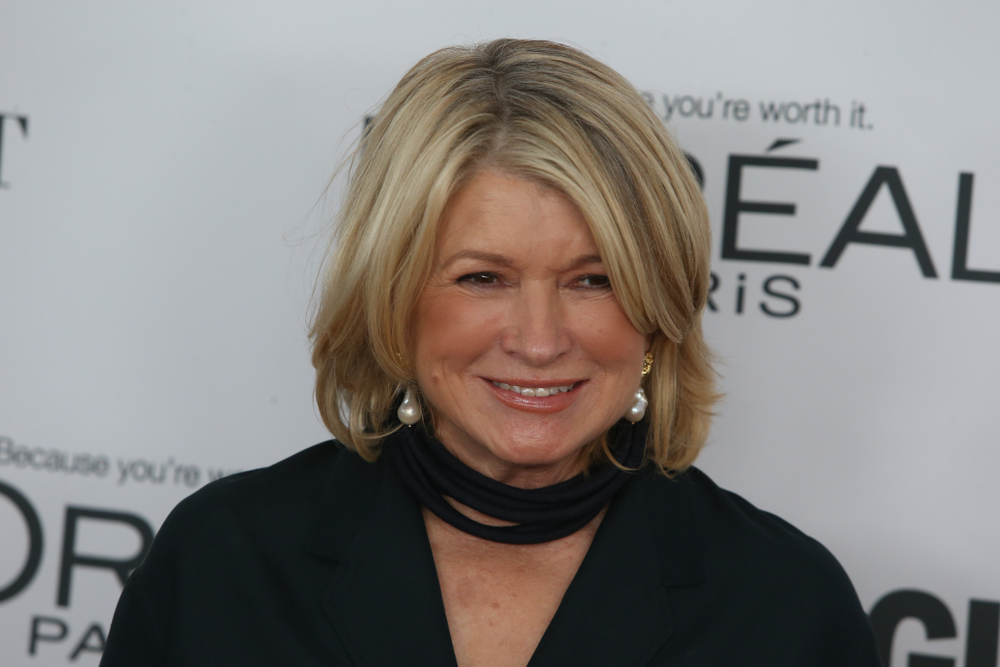
“I think baking cookies is equal to Queen Victoria running an empire. There's no difference in how seriously you take the job, how seriously you approach your whole life.” – Martha Stewart
Known for her refined, aspirational approach to everyday living, Martha Stewart represents an ideal – the person who can do it all with class and a plate of cookies in hand. Since the 1970s, she’s helped people around the world – particularly women – learn how to cook, clean, garden and entertain in ways that feel both sophisticated and empowering.
As an ESTJ, Martha Stewart is ambitious and disciplined. Her relentless work ethic paired with an extremely hands-on role in her business, led her to become the first self-made female billionaire in the United States. She is known for being extremely detail-oriented, meticulous and no-nonsense, traits common of the ESTJ personality type.
Perhaps the most inspiring of Martha Stewart’s traits are her drive and resilience in the face of setbacks. After completing a high-profile prison sentence in 2004 (where she spent her time cleaning toilets and mentoring fellow inmates), she rebounded with self-deprecating humor and a renewed public image, appearing to take herself less seriously. Her ESTJ determination reminds us that we can always try our best, even in difficult circumstances.
ISTJ: Jeff Bezos

“Life's too short to hang out with people who aren't resourceful.” – Jeff Bezos
The founder of Amazon is highly conscientious, analytical and ambitious – all traits common among ISTJ personality types. ISTJs tend to have a serious and traditional approach to life; they appreciate when people and systems are reliable and everyone understands their roles and responsibilities. From creating the world’s biggest ecommerce company to sending celebrities to the moon, Bezos applies this approach to everything he does.
Bezos’ success doesn’t hinge on high-risk/high-reward moves (more common in other entrepreneurial billionaires like Elon Musk), but on carefully calculated strategy. The ISTJ entrepreneur built Amazon from the ground up by focusing on incremental innovation and operational excellence. His business approach is to scale carefully, emphasize data, and build operational frameworks that allow for consistency and efficiency.
In addition to Amazon, Bezos is the founder of Blue Origin, an aerospace company focused on making space travel accessible and sustainable. He is also the owner of The Washington Post and a philanthropist who has said he plans to give away most of his $124 billion dollar fortune in his lifetime. Bezos’ slow and steady approach to growth reminds us that lasting success often comes not from bold leaps, but from disciplined execution and a commitment to getting the details right.
INFJ: Marianne Williamson
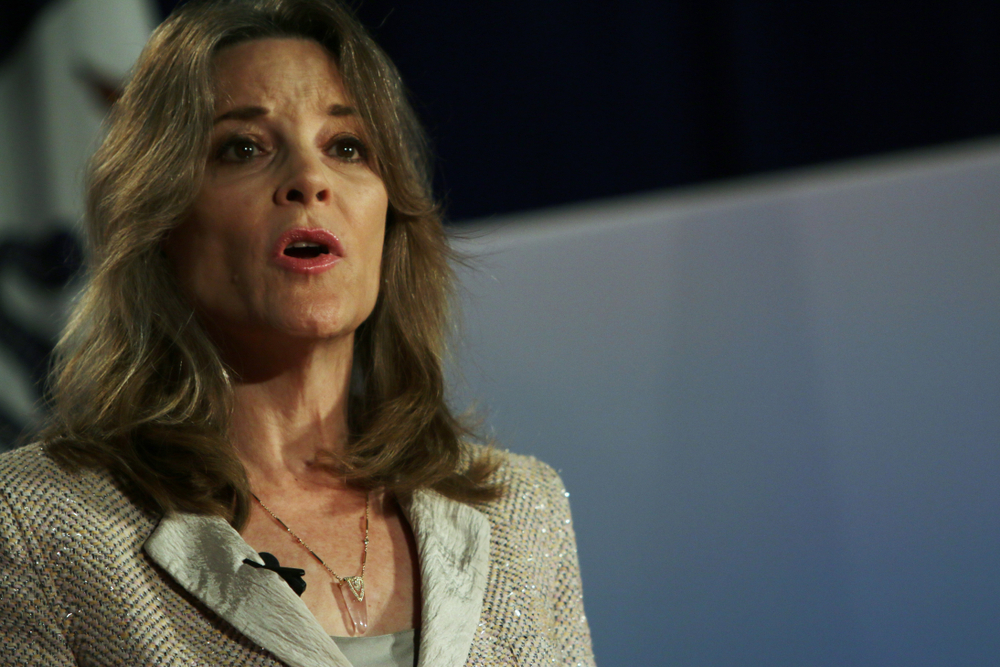
“A tulip doesn’t strive to impress anyone. It doesn’t struggle to be different than a rose. It doesn’t have to. It is different. And there’s room in the garden for every flower.” – Marianne Williamson
Author, spiritual teacher and political activist, Marianne Williamson brings a unique blend of empathy and vision to her work. As an INFJ personality type, Williamson is idealistic, persuasive and unafraid to speak uncomfortable truths. In 2020 and 2024, she ran for the Democratic nomination for president of the United States, bringing an unapologetically spiritual and moral lens to political discourse. Her campaigns were unconventional, focusing on issues like universal healthcare, reparations for slavery, and how to address trauma in public policy.
Although her proposed policies were quickly dismissed by many (The Guardian called her campaign “so out there she may as well have been on another astral plane”), Williamson’s ideas have resonated with millions of people around the world. As a bestselling author, she shares lessons in hope, love and personal empowerment. Her intuition paired with a deep understanding of people and society allows her to see how events will play out in the future and develop compassionate, people-centered solutions.
While she’s often not the most commanding person in the room nor the most famous person on this list, her calm, insightful and passionate presence inspires people to think about the world – and their place in it – differently. Her impact may be easy to overlook but, like many INFJs throughout history, it may very well stand the test of time.
ENFJ: Oprah Winfrey
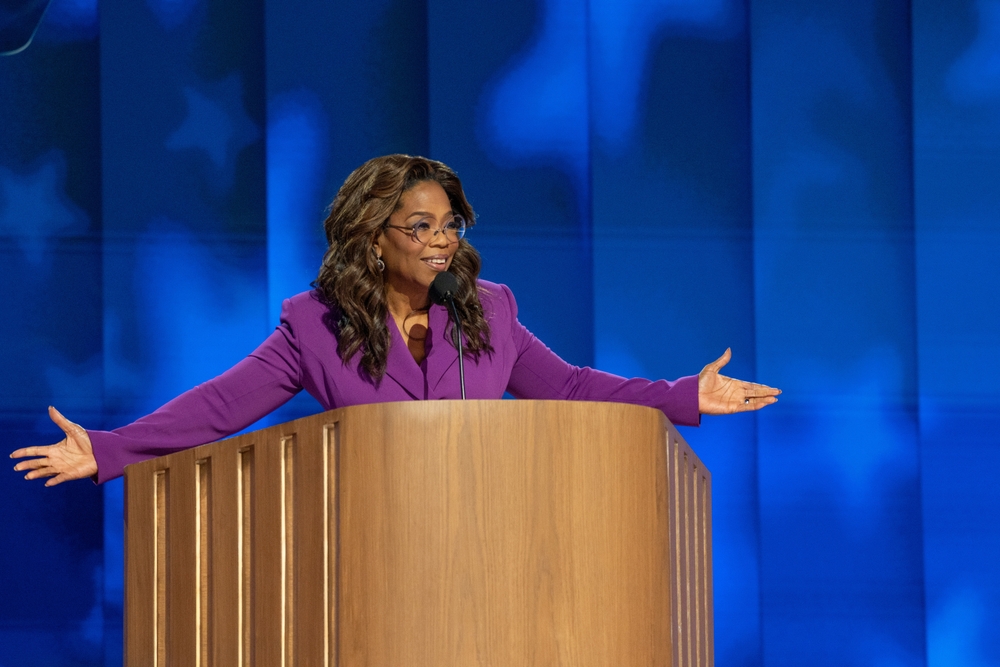
“The whole point of being alive is to evolve into the complete person you were intended to be.” – Oprah Winfrey
There are so many influential ENFJs it’s hard to pick just one, but it’s impossible to overlook Oprah Winfrey (who I personally consider to be the OG “influencer”). As a talk show host, she normalized conversations about trauma, personal growth and healing through compassionate conversations. Her capacity to hold space for people of various beliefs and backgrounds is a particular strength of compassionate, intuitive types like the ENFJ.
Oprah is the only name on this list who’s influence has its own name: the “Oprah Effect,” based on her ability to elevate ideas, products and people simply by endorsing them. She’s launched countless careers through endorsing authors, entrepreneurs, and other voices that bring fresh perspectives and outside-the-box ideas. The Oprah Effect has been emulated by many, including other influential ENFJs like Meghan Markle and Reese Witherspoon.
Oprah’s influence extends beyond her 25 years as a talk show host. She built a multimedia empire that includes OWN (Oprah Winfrey Network), O Magazine, and Harpo Productions. Her philanthropic work educating and inspiring women and children continues to impact people around the globe. By leaning into her ENFJ strengths, Oprah continues to be a beacon for empathy, self-actualization and transformational leadership.
INFP: George R.R. Martin

“Nobody is a villain in their own story. We're all the heroes of our own stories.” – George R.R. Martin
George R.R. Martin is a legendary author best known for his fantasy series A Song of Ice and Fire, which became the basis for HBO’s Game of Thrones. His writing is known for its intricate worldbuilding, morally complex characters and a willingness to subvert traditional fantasy tropes. Martin’s work stands out from other fantasy authors in that it focuses on politics, power struggles and human flaws. His stories are epic, but they’re also incredibly human.
Although he is a private INFP, there is no denying the influence of Martin’s work. Game of Thrones is the most watched television series of all time, sparking global conversations, countless fan theories, and a surge of interest in sprawling, character-driven storytelling. He has inspired a generation of fantasy writers and challenged readers and viewers to rethink what it means to be a hero, be a villain, or have a “happily ever after.”
George R.R. Martin is said to come across as kind, funny and a bit naive, but through his work we see his vivid imagination and deep passion for storytelling. These traits fit the INFP profile: they are often reserved on the outside, but have a deep and meaningful inner world. He’s intensely dedicated to his work, focusing more on his creative process than trying to meet deadlines or outside expectations. This balance of creativity and conviction has helped cement his place as one of the most influential fantasy writers of all time.
ENFP: Volodymyr Zelenskyy

"When you attack us, you will see our faces. Not our backs, but our faces." – Volodymyr Zelenskyy
Volodymyr Zelenskyy is the President of Ukraine, a former comedian and actor who became an unexpected global symbol of resilience after Russia invaded Ukraine in 2022. Despite having no prior political experience, Zelenskyy quickly stepped into his role as a wartime leader with charisma, empathy and an unshakable commitment to his country’s sovereignty. He uses his ENFP charm, adaptability and knack for storytelling to influence and inspire others.
Since the start of the war, the public has seen a more serious and determined side of Zelenskyy, but his people-oriented nature still shines though. In his interview for Time Magazine’s Person of the Year, he talks about the importance of visiting Ukrainians in areas under Russian occupation. Despite the dangers of a visit, he says, “As I see it, it’s my duty to go there and show them that Ukraine has returned, that it supports them. Maybe it will give them enough of a boost to last a few more days.”
Like many ENFPs, Zelenskyy is willing to take risks in the name of his people and values. He often speaks with strong moral conviction and expresses a willingness for cooperation, yet is unwilling to sacrifice his convictions in the name of harmony. Zelenskyy’s big personality went up against another big personality when he met with U.S. President Donald Trump at the White House in February 2025. Zelenskyy challenged the president’s statements and both leaders were widely criticized. While it was called “one of the greatest diplomatic disasters in modern history," the confrontation also signified Zelenskyy’s unwavering commitment to his principles and promises.
ESTP: Donald Trump

“Without passion you don't have energy, without energy you have nothing.” – Donald Trump
Perhaps one of the most influential and controversial figures in modern history, Donald Trump is best known for his confidence, ambition and ability to command attention and reshape narratives. The businessman-turned-television personality-turned-president of the United States has a dynamic presence that motivates and energizes others – traits that can be attributed to his ESTP personality type.
ESTPs like Trump thrive in environments where they can adapt on the fly. Trump is well-known for his off-handed and improvised comments at rallies and press conferences. Although often criticized for inappropriate remarks, supporters appreciate his irreverent humor and willingness to “tell it like it is.”
Another part of his appeal is his no-nonsense, get-things-done attitude. While critics often question the long-term and human impact of his policy decisions, he is a quick problem solver who focuses on getting things done – often by any means necessary. As a Perceiving type he’s more likely to go with the flow (preferring “concepts of a plan” over carefully planned steps), always leaving the door open for adaptation and change.
Trump’s high-energy, dominant personality makes him a stand-out figure. Love him or hate him, one thing is true: he knows how to make a splash, making him one of the most influential people on the planet.
ISTP: Aaron Rodgers

“Be curious. Not judgmental. We are all on our own path.” – Aaron Rodgers
Like his documentary of the same name, Aaron Rodgers is certainly an enigma. Although he is most well known for being an accomplished NFL quarterback, he has also made a name for himself as a deep and independent thinker – traits common among ISTP personality types.
Many ISTPs are masters of their craft, and Rodgers is no exception. He knows his game inside and out and aspires to be the best at what he does. On the field, Rodgers is a strategic leader known for making high risk moves that often pay off. In his personal life, he is curious and nonconforming, willing to question the status quo and try new things. He’s not afraid to share his lifestyle and beliefs, even if it makes him unpopular. For example, he frequently talks about trying holistic health approaches and challenges commonly held beliefs – not necessarily to invalidate them but to ask questions.
Rodgers highly values his independence, which has given him a reputation for being headstrong and rebellious. In typical ISTP fashion, he prefers to walk his own path than conform to what others want or expect. His analytical leadership style paired with contemplative depth make him a rare figure in the world of professional sports. They also make him incredibly influential.
ESFP: Kylie Jenner
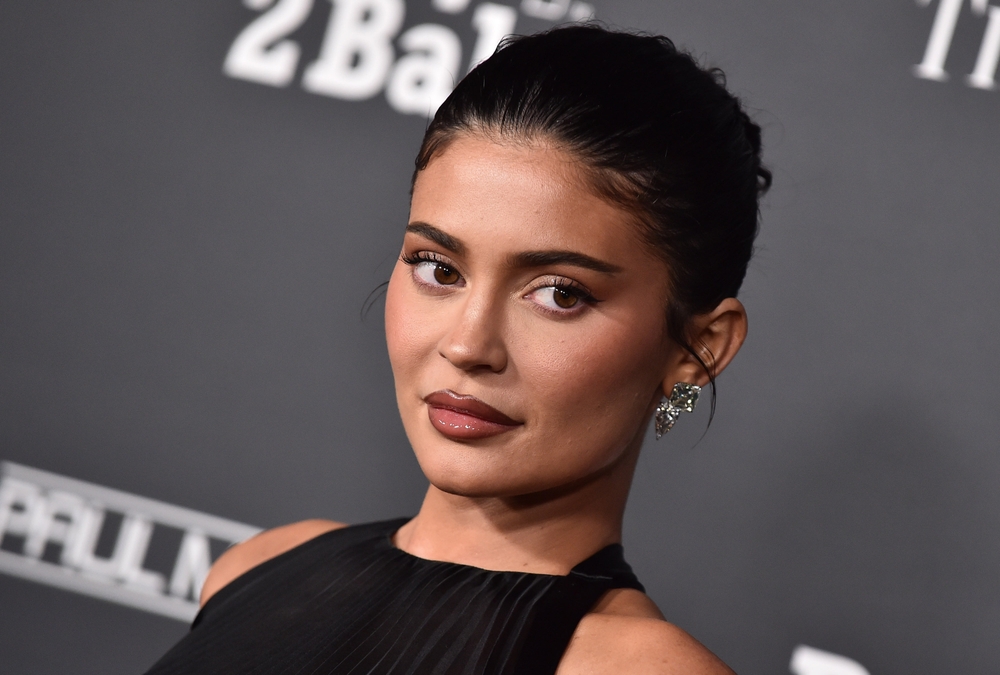
“I know how influential I am over my fans and followers. I feel like everything I do, my hair color, my makeup, I always start these huge trends.” – Kylie Jenner
The youngest child of the Kardashian-Jenner family is also arguably the most influential. With more than 390 million followers on Instagram and an even higher net worth (in 2019, she was named the youngest self-made billionaire), the beauty industry entrepreneur and media personality leans into her ESFP strengths to motivate and influence.
Kylie Jenner is stylish and socially savvy with a natural gift for marketing and branding. She seamlessly blends her celebrity persona into her beauty brand, making people feel as if buying her products is like getting a personal beauty recommendation from the influencer herself. ESFPs are known for being friendly and likeable, but they can be hard to get to know, as they prefer to entertain rather than truly open up. Kylie reflects this as well: she thrives in the spotlight while still keeping part of herself just out of reach.
What we do know about Kylie Jenner is that she is highly ambitious, fashionable and family-oriented. Her close relationships with her sisters and children are just as central to her public image as her picture-perfect Instagram feed. By tapping into her natural charm and intuitive understanding of trends, she’s crafted a lifestyle brand that others want to follow, emulate and buy into.
ISFP: Greta Thunberg

"The one thing we need more than hope is action." – Greta Thunberg
While they may not be the loudest personality type, ISFPs like Greta Thunberg can be incredibly influential. Case in point? The Swedish climate activist has inspired millions of young people around the world to demand climate justice and hold their governments accountable.
Fiercely principled, instinctive and deeply loyal to her cause, Greta Thunberg embodies many traits of an influential ISFP personality type. She rose to prominence at just 15 years old when she began striking from school every Friday to demand stronger action on climate change. Since, she has spoken with world leaders and influenced millions through in-person and social media advocacy work.
ISFPs are driven by their values and principles, which can lead to strong internal convictions of how things can and should be done. Thunberg doesn’t just theorize, she immediately gets into action in ways that demand attention. From striking from school to sailing to Gaza on the Freedom Flotilla, Thunberg is unafraid to take risks to raise awareness about the things that matter most to her.
Her singular focus and honesty stir up motivation and conviction in others. Thunberg’s influence shows others that with enough courage and conviction, ISFPs have the power to change the world.
Final Thoughts
At the end of the day, influence doesn’t look just one way, and it certainly doesn’t belong only to those with billions of dollars (or TikTok followers). The leaders, creators and changemakers highlighted here show how each Myers-Briggs personality type has its own way of leaving a mark on the world. Although they have various ways of influencing, some things remain the same: each person is passionate, hard working, and, perhaps most importantly, they don’t give up.
Hopefully these examples serve as a reminder that whether your style is bold and attention-grabbing or quiet and transformative, your influence matters. The real question is: how will you use it?
Megan Malone is an executive coach, writer, and emotional wellness advocate with a Master’s in Organizational Psychology. As the educational content and training lead at Truity, she has delivered workshops and team trainings for leading organizations, helping people understand themselves and work better together. An INFJ and Enneagram 9, Megan lives in Dallas, Texas, with her husband and daughter. You can also find her on Substack.


