
The Myers & Briggs Personality Types of The Gilded Age Season Three
Robber Barrons are back (and not just in season three of this Emmy-winning series!). We break down all the Myers and Briggs personality types of the hit period drama.
Sometimes you just need to escape to a world of stunning gowns, palatial Fifth Avenue pre-war mansions and the barely perceptible social slights of a bygone era. And if so, it is very likely that HBO’s The Gilded Age is your jam.
Creator Julian Fellowes (of Downton Abbey fame) has taken the intrigues of Edith Wharton’s New York at the turn of the century (old money vs. new, arranged marriage vs. love, social jockeying as sport), and turned it into the lavish period soap opera of your dreams. Thanks to Fellowes, the O.G. of low-key fictional class warfare, the show is set in the yawning gulf between the haves and have-nots in early 20th century New York, but somehow manages to never feel either like a drag or silly. The show transports you—with the swish of a bustle—into a unique cast of characters, all trying to make their own way in a diverse, incredibly vibrant turn-of-the-century New York.
With American oligarchs now making a spectacularly inelegant comeback, The Gilded Age will make you nostalgic for the ruthless industrialists of the past. There are only so many times you can see a photo of “swole” Jeff Bezos in a mesh shirt or Zuck with his mushroom haircut and gold chain, and not yearn for a time when those who held the boot at least had some good taste.
But it isn’t just the over-the-top gowns, jewels and the New York City and Newport homes of the turn-of-the-century super rich that make this show so addictive. The characters and incredible actors, including the spectacular Carrie Coons and Christine Baranski, keep you tuning in for more. To help mark the news that the show has been green-lit for Season Four, we’re breaking down the observable personality traits of our favorite characters for you here.
(All photos, courtesy of Warner Bros. Discovery)
All the Personality Types of The Gilded Age Season Three
We’re using the Myers-Briggs 16 personalities system to analyze the characters. Fun fact: Myers and Briggs original theory is based on Dr. Carl Jung’s Psychological Types, which was first published in 1921, not too far off from The Gilded Age era. If you want to check your own type before you get started, you can take Truity’s free TypeFinder® test based on Myers Briggs theory here and see which of The Gilded Age’s characters you are closest to.
Spoiler Alert: If you aren’t caught up with Season Three, don’t read ahead!
Bertha Russell: ENTJ, The Commander
![Bertha Russell]()

Bertha Rusell is the animating spirit of The Gilded Age, as the arriviste ruthlessly climbing the social hierarchy of New York City, alongside her industrialist husband George Russell. Played by the magnificent Carrie Coons, Bertha heads into Season Three in top form, expertly maneuvering her husband, daughter and all of New York society to engineer her daughter Gladys’ betrothal to a Duke.
Bertha has a clear vision of social success and is fiercely ambitious, both signs of the strategic visionary traits of the ENTJ. She always has a plan to ascend New York's elite ranks, from creating her own opera house after being shut out of the original, to outmaneuvering old-money rivals by marrying her daughter to the Duke of Buckingham. Her ability to see the bigger picture and orchestrate events to her advantage is classic ENTJ.
She is also an almost unsettlingly decisive leader. Like many ENTJs, Bertha takes charge in social situations, often making bold decisions to secure her family's place in society. Her assertiveness and confidence—both ENTJ trademarks—show in her dealings with others. Bertha is relentless in pursuit of her ambitions, frequently putting her goals ahead of personal relationships (see: her dynamic with her daughter!). Determination and drive are key Commander traits.
Bertha can also be charismatic and persuasive when she needs to be, for example, buttering up a recalcitrant railroad owner who won’t sell to her husband. She is skilled at persuading others to support her plans, using her charm and intelligence to sway those around her. Notably, ENTJs are sensitive to issues of power, and seek positions and people of influence. They typically enjoy navigating and controlling power dynamics, and are famously ambitious and career-driven. In another era—and country!—Bertha would absolutely have been running for president.
George Russell: INTJ, The Mastermind

George Russell, the wildly successful robber barron and bona fide Daddy of the show, is an INTJ. He is a brilliant businessman, always analyzing situations and making calculated decisions to expand his empire.
INTJs are independent thinkers, which is how George amassed most of his wealth: by taking counterintuitive investment risks. Like many INTJs, he values his independence and often trusts his own judgment over all others, as we see with his stubborn focus on owning the railway line, despite cautions and obstacles brought to him by others. His ability to think critically and independently is a defining trait of the INTJ. INTJs have a clear vision for the future and can always see steps ahead, just as George does with his growing business empire. He is always looking for innovative ways to achieve his goals, demonstrating the forward-thinking nature of The Mastermind.
Although at work he is more extraverted, at heart, George is a reserved and private man. Like most INTJs, George tends to keep his thoughts and emotions to himself, sharing them only with those he trusts deeply, like his wife Bertha. In relationships, INTJs are loyal and intensely devoted, but don’t shower their partners with frivolous affection. They are more focused on serving their partners with hard work and resourceful problem-solving. Notably, ENTJs—his wife Bertha’s type—are one of the best compatibility matches for INTJs. These two types together are often power couples, as the Russell’s most certainly are.
Marian Brook: INFP, The Healer
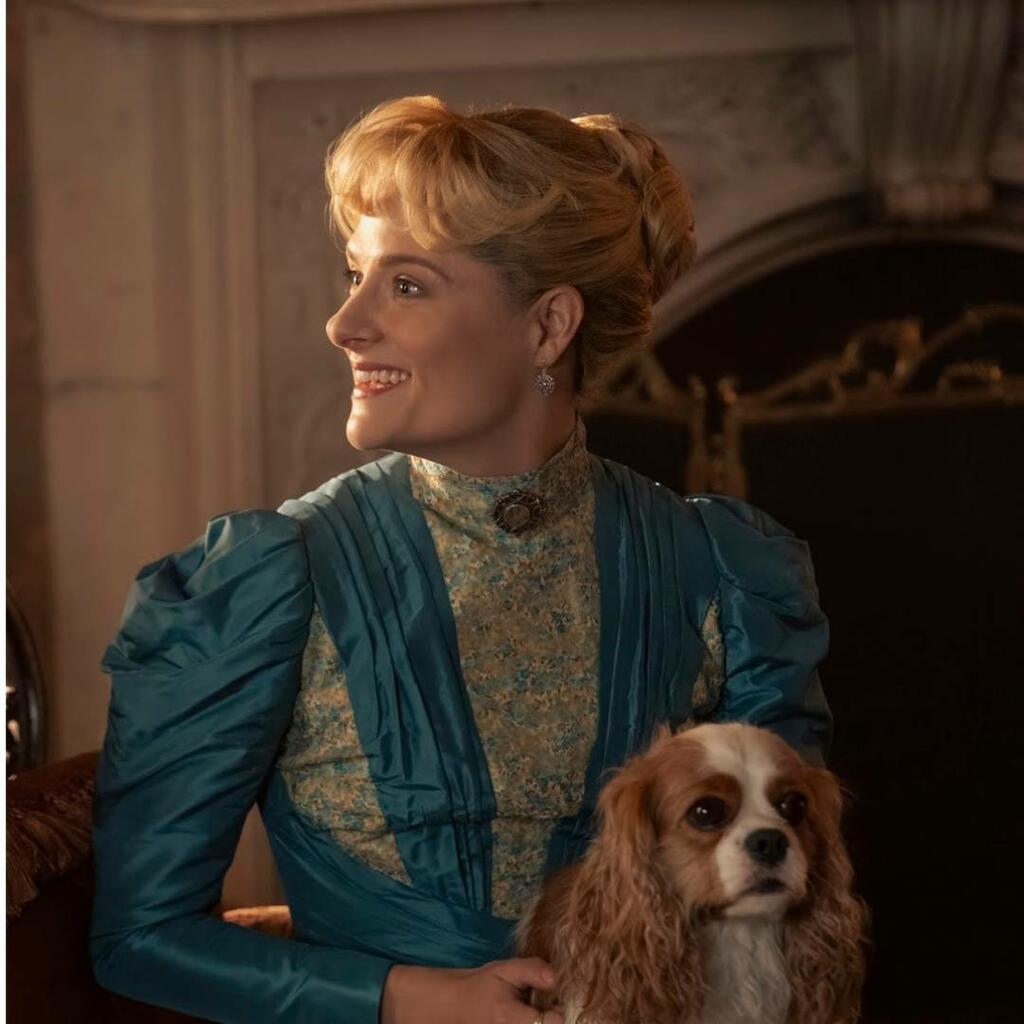
The young Ms. Brook arrives as the show’s idealistic and compassionate ingénue, but soon finds her convictions and voice in New York society. Marian is likely an INFP, a personality type that is driven by her ideals and strong sense of justice. She shows compassion and empathy towards others, especially those less fortunate, as we see in her work as a teacher for disadvantaged girls and with Jane Addams’ tenement reform efforts.
Creative and imaginative, INFPs like Marian have a rich inner world. She dreams of a life beyond the constraints of her social environment, reflecting the imaginative nature of The Healer. Marian is also sensitive and deeply in tune with her emotions, feelings and experiences. Her decisions are guided by her values and principles, even as they clash with societal expectations, like class and race divisions of the time. We see this in Marian’s friendship with Peggy Scott and her more relaxed, friendly attitude to the servants in the van Rhijn house.
In relationships, INFPs are nurturing and empathic, and often they select partners carefully, looking for a strong bond and shared values. INFPs tend to be open-minded and accepting of other's behaviors, so long as their core values are not violated (as we see in Marian’s violent reaction to her fiancé Larry Russell’s visit to the notorious Haymarket club).
INFPs can be very sensitive but often keep negative reactions to themselves to avoid confrontation. Harmony is key for them. They also need plenty of alone time to think and reflect. We see this trait repeatedly, as Marian often takes walks or seeks solitude to sort through her feelings and conflicts.
Agnes Van Rhijn: ISTJ, The Inspector
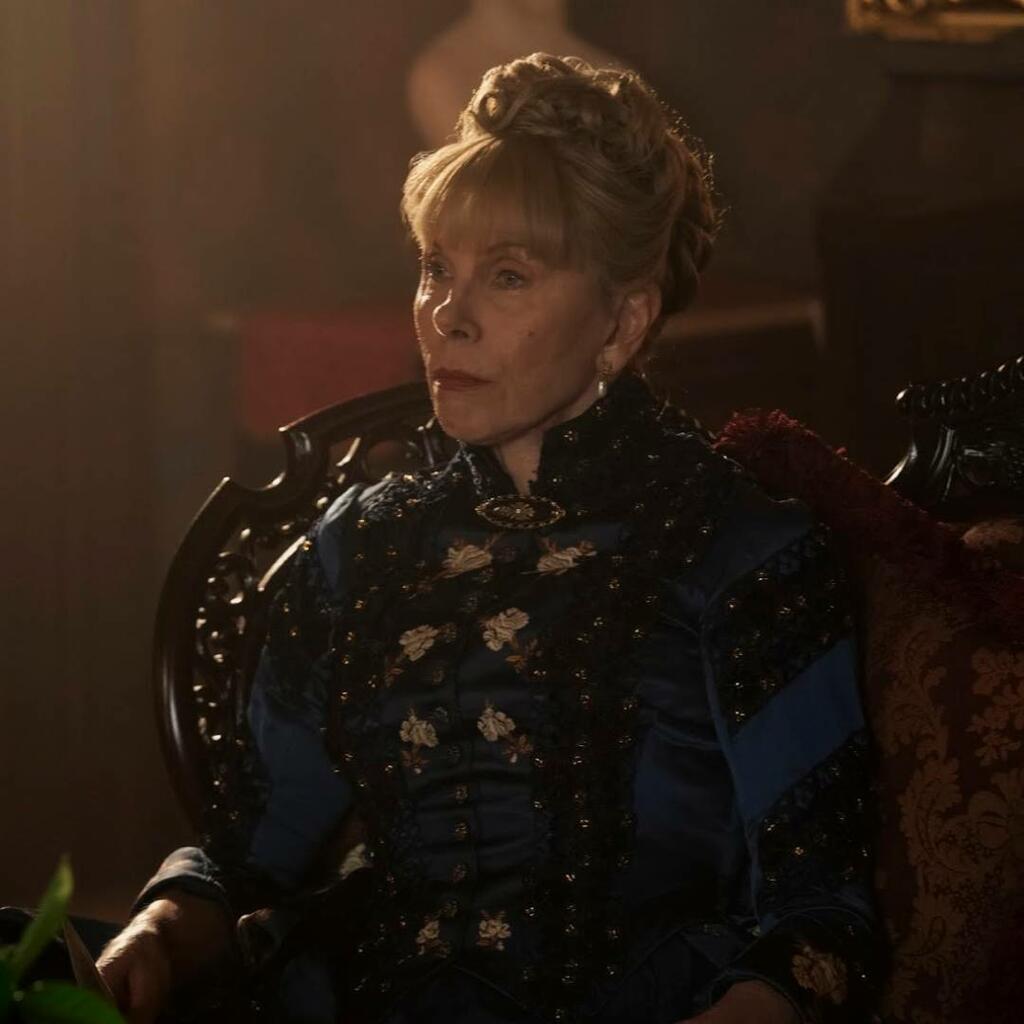
The imperious matriarch of the old-line van Rhijn clan, Agnes has seen it all and will share what she has seen in an impeccably delivered bon mot. One of the show’s funniest and richest characters, Christine Baranski plays Agnes to perfection with a withering stare.
Agnes is likely an ISTJ type, known for being traditional and duty-bound. Agnes seems to believe she is singlehandedly preserving the old Dutch Stuyvesant New York, by upholding the laws of her social class and by widely sharing her views on how the whole place is going to hell. Organized and methodical, ISTJs like Agnes are meticulous, as we see in her approach to managing her household and social affairs, like hiring private secretary Peggy and riding the servants on every last little detail of their work.
Stubbornness is the ISTJ weakness. We see this repeatedly in Agnes, for example, her resistance to her sister Ida marrying, Marian marrying new money Larry Russell and, in this season, giving up control of her household servants, even though she no longer commands them through her fortune. The ISTJ’s strengths are also on clear display with Agnes, in her loyalty to family, tradition and perseverance.
Oscar Van Rhijn: ENTP, The Visionary
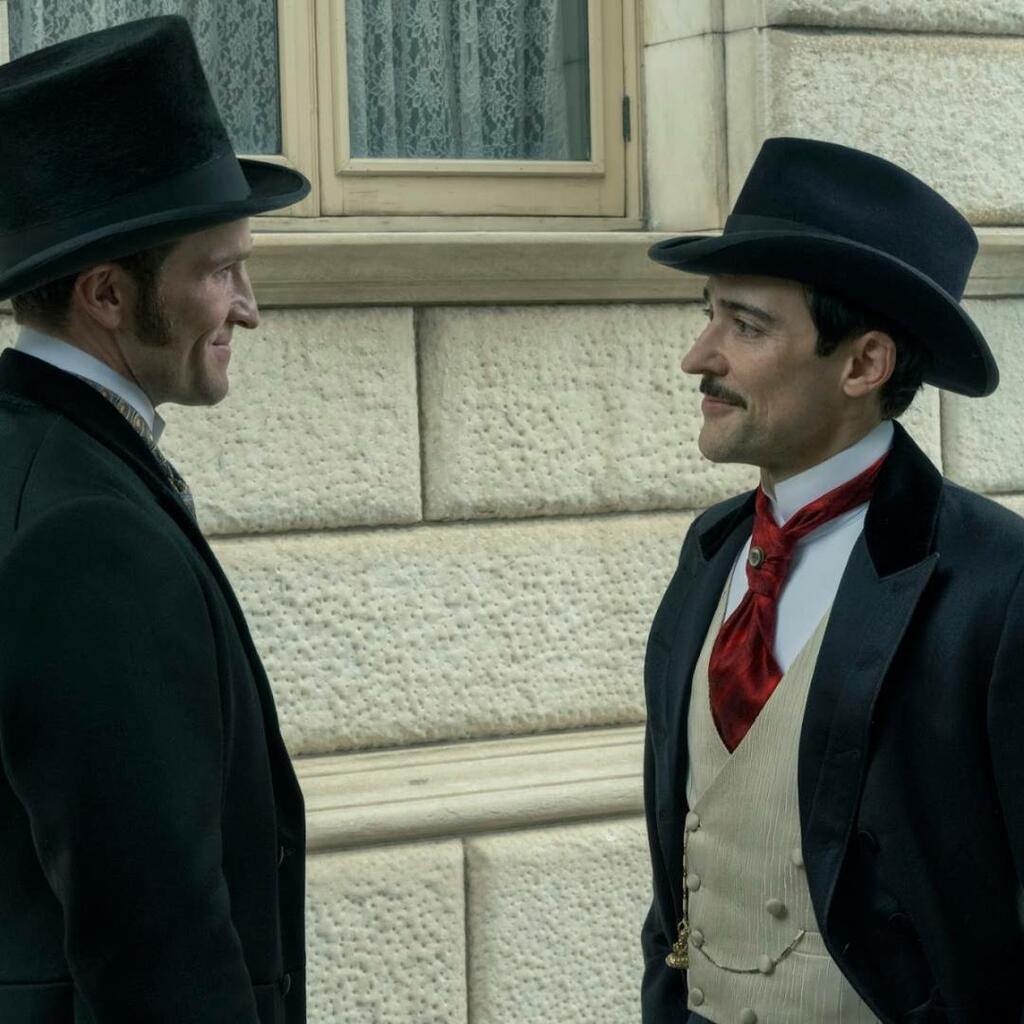
Charismatic and persuasive, ENTPs like nothing more than a good party and a banter session, and that is Oscar to a tee. Heir to a prestigious family name, and in this season—not much else, Oscar is always ready for repartee, a witty aside and an evening of socializing. ENTPs tend to be highly sociable and outgoing and are known for their ability to sway others to their point of view, often using their wit and intelligence to navigate tough social situations, as we see Oscar do in overcoming his loss of fortune and his discomfort with his sexuality in a repressive time. ENTPs are also adaptable and quick-thinking, and Oscar is adept at thinking on his feet and adjusting his strategies to suit the ever-changing social landscape of the Gilded Age. ENTPs tend to be independent and nonconformist, something we see in Oscar keeping his thoughts and problems to himself and in pushing the boundaries with his lover Mr. Elder, at a time when homosexual relationships were not welcome in society. He often challenges societal norms and expectations, preferring to carve his own path rather than adhere to traditional roles, which are all classic ENTP traits.
Sociable and Outgoing: Enjoys being at the center of social gatherings and uses his social skills to build a network of influential contacts.
Ada Brook: ISFJ, The Protector
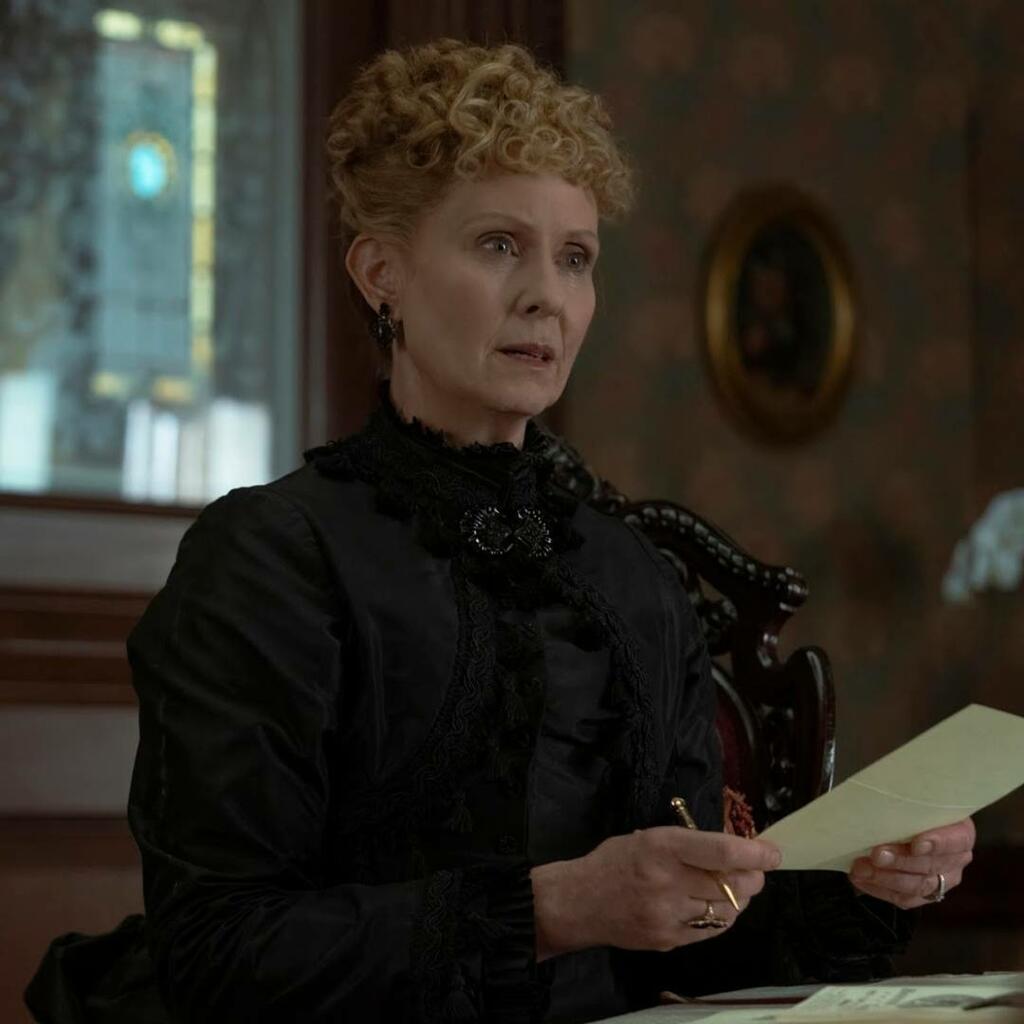
A classic ISFJ, the ever-caring and supportive Ada puts the needs of her family and friends before her own, even nearly missing the love of her life so as not to displease her sister. She shows deep loyalty and often goes to great lengths to care for and protect the people around her. Reserved and gentle, ISFJs like Ada often prefer to stay in the background rather than seek the spotlight.
ISFJs can also take things too personally. We see this with Ada over and over in the show, especially when her sister dismisses her or others don’t take her seriously.
Peggy Scott: INFJ, The Counselor
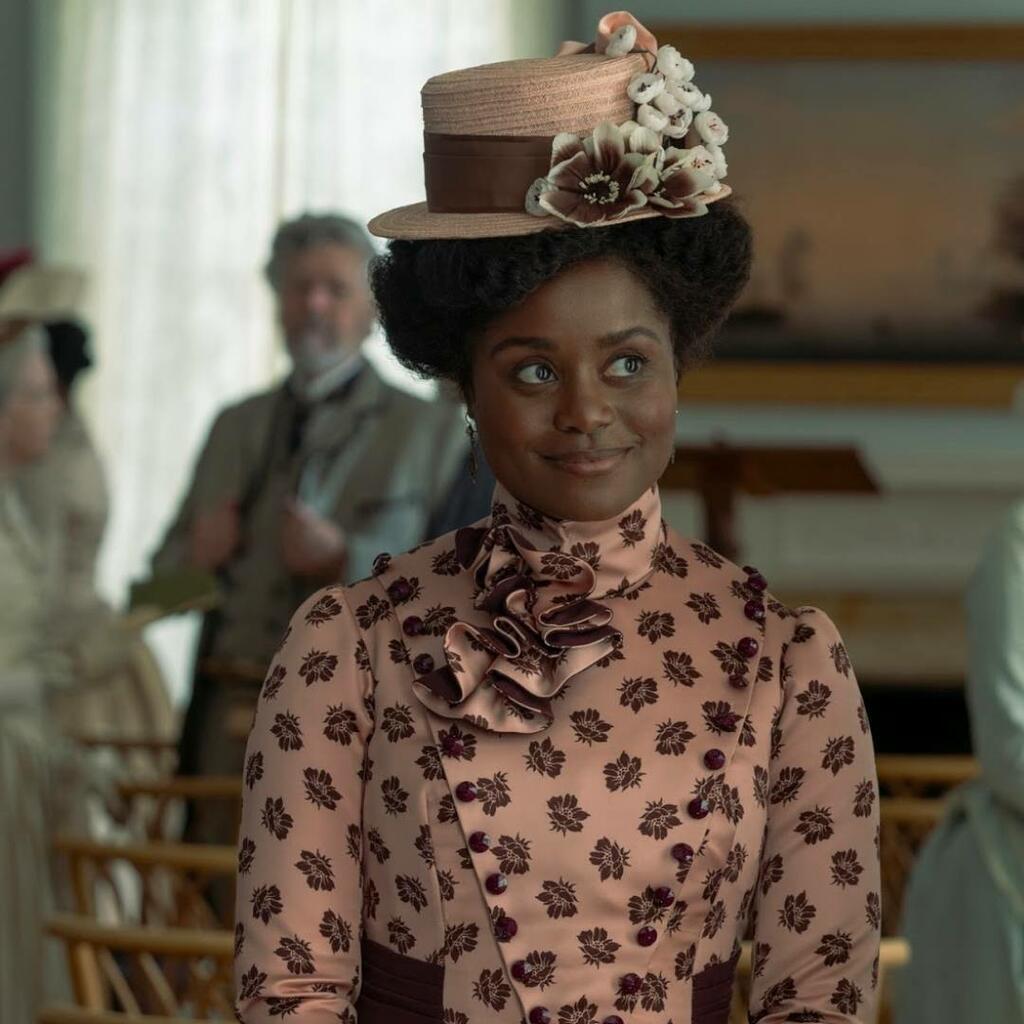
Like many writers, author and journalist Peggy is an INFJ. Peggy’s intuition and insight often reveal a deep understanding of the social dynamics and injustices of her time. Her ability to see beyond the surface and grasp underlying issues is a hallmark of the INFJ.
Peggy shows unwavering compassion and care—a strong desire to help others, especially in her advocacy for racial equality and women's rights, drives her actions and decisions.
Motivated by her ideals, this idealistic and visionary INFJ is committed to making a difference in the world. Often, she envisions a better future and works toward it, whether through her journalism, her advocacy in the South, or the fight for women’s suffrage.
A classic INFJ, Peggy is quiet but strong-willed. While she may appear reserved, her inner conviction and determination mean she often stands firm in her beliefs despite societal pressures.
Larry Russell: ENTP, The Visionary

The heir to the Russell family fortune, young, eager and inventive Larry is likely an ENTP. Rarely content with tradition, he exhibits a strong desire to break from norms and explore new ideas, such as his unorthodox business partnership with one of van Rhijn’s footmen. His interest in new architecture, like the Brooklyn Bridge, showcases both his innovative mindset and egalitarian spirit.
Larry’s charm and ability to engage others in conversation highlight his natural charisma, a hallmark of the ENTP personality. He often uses these persuasive skills to skillfully navigate social situations and influence those around him.
Intellectual curiosity runs deep for Larry, just as it does for most ENTPs. He loves intellectual debate, whether diving into changing business practices, scientific advances, or defined ideas of the role of women and the underclasses. Never one to follow the crowd, Larry carves his own path in business and a love-match marriage, rather than follow traditional routes. In love, ENTPs can be spontaneous and enthusiastic. We see this in both Larry’s fling with an older widow last season and in his proposal to Ms. Brooks. Clever, quick-witted and adaptable, ENTPs can think on their feet. Larry’s sharp mind and flexibility are especially clear in how he navigates the challenges and opportunities of his business ventures.
Gladys Russell: ISFP, The Composer
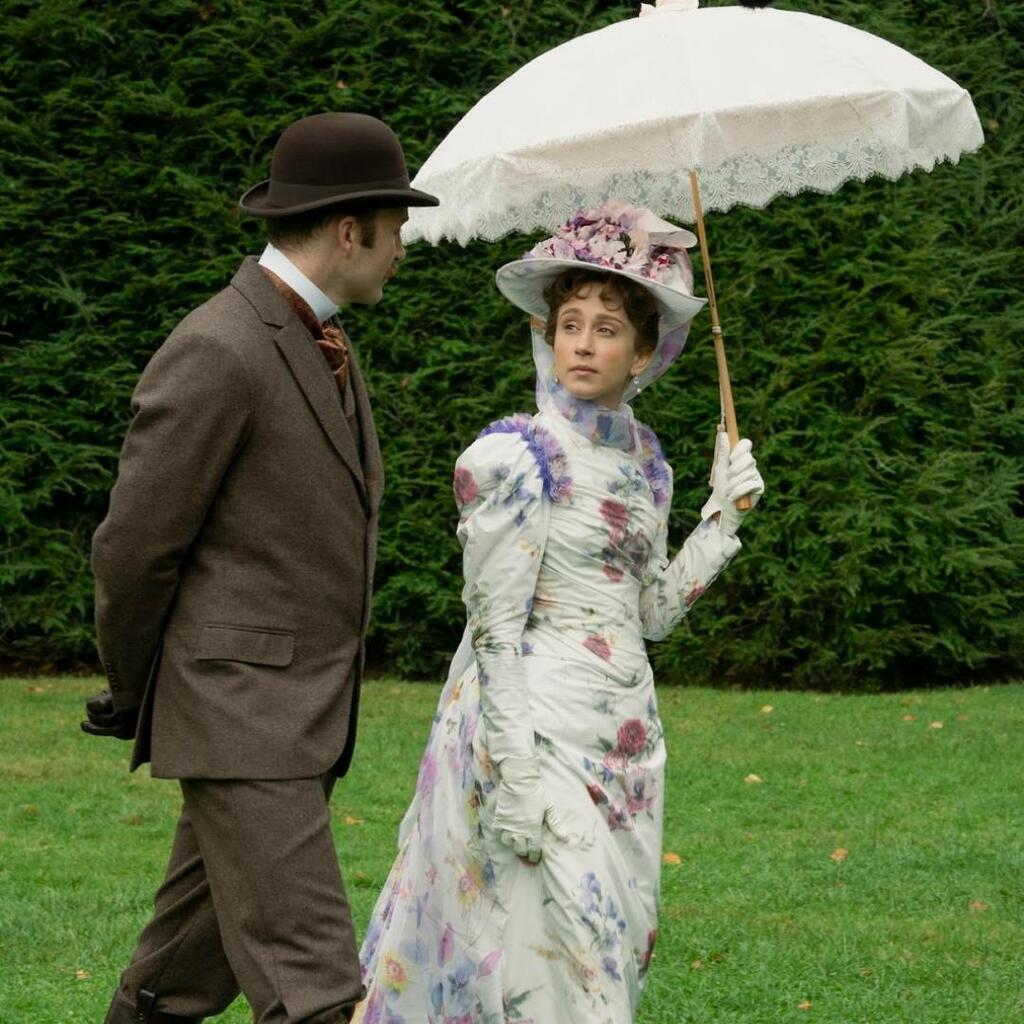
Artistic and sensitive, Gladys often displays a deep appreciation for beauty and the arts, which aligns with the ISFP's natural inclination towards creativity and aesthetics. Despite her family's expectations, she seeks her own path and desires to make choices based on her personal values and feelings, which is an ISFP all over. However, ISFPs can tend to be conflict avoidant, especially in relationships. This makes her struggles with her love match and then her fiance the Duke of Buckingham, feel all the more pained and tortured.
Reserved and private, Gladys, like most ISFPs, tends to keep her thoughts and emotions to herself, sharing them only with those she trusts deeply. ISFPs are also adaptable. Gladys shows this in her ability to adapt to social dynamics and the changing demands of her mother’s quest for social standing.
We know we left out more than a few characters, but hope you enjoyed this grand tour of the personality types of The Gilded Age. If you haven’t watched yet, grab a brandy, curl up on your fainting couch and get to bingeing!
Abby Lunardini is Truity’s CMO. Before coming to Truity, she held marketing & communications roles in philanthropy, politics and the private sector. Abby is a political and true crime junkie, and is also really into 90s music and airplanes. She is an INFJ and Enneagram 3, who lives with her husband and three small, busy humans in a home that despite her best efforts has a distinct “lord of the flies” vibe.


