
What Mythic Quest Character You’d Be, Based on Your Myers and Briggs Personality Type
If you’ve ever watched Apple TV’s hilarious workplace comedy Mythic Quest and thought, “Wow, this place is absolute chaos… I would THRIVE there,” congratulations—you might be one of those personality types. You know, the ones who turn every team meeting into a philosophical debate (ENTPs), overanalyze every decision until deadlines are a distant memory (INTPs) or enforce office hierarchy like a medieval warlord (looking at you, ESTJs).
Mythic Quest follows the eccentric and passionate employees of a fictional video game studio. The MQ team is a beautifully dysfunctional mix of personalities, ranging from visionary geniuses to power-hungry assistants to people who just want to do their job without being pulled into whatever unhinged power struggle is happening that day. And because personality typing is a fun way to analyze other people’s questionable behaviors, we’re diving into the Myers-Briggs types of the show’s characters.
So, which Mythic Quest character is your chaotic workplace alter ego? Read on to find out!
Spoiler warning: This article includes spoilers from seasons 1-3 of Mythic Quest. Don’t read if you don’t want to know what happens in the first three seasons of the show!
Ian Grimm: ENTP, “The Visionary”

“That’s what being a leader is. You have to be able to go a thousand miles in one direction, then, on a moment’s notice, turn on a dime and come back in the opposite direction. And then everybody else must adapt.” – Ian Grimm
The confident, egotistical Creative Director of Mythic Quest Studios is likely an ENTP personality type. ENTPs are known as the “Visionary” because of their passion for novelty and innovation. Similar to other ENTPs, Ian’s success is driven by his big ideas and creative, out-of-the-box problem-solving skills.
Ian follows the beat of his own drum, with little regard for how his words or actions influence others. Ian’s struggles at work are similar to those of an ENTP: flightiness, impracticality and procrastination. ENTPs appreciate a creative and unstructured approach to their work, with few limitations–although they are typically extremely limited in most work environments, leading many to pursue entrepreneurship. In Ian’s case, however, we see exactly what an ENTP with few limitations at work is capable of and it’s… entertaining TV to say the least.
In the first episode of Season 1, Ian becomes fixated on improving a shovel before the release of Raven’s Banquet, an expansion that has been in development for more than two years. Much to the dismay of his colleagues, Ian postpones the launch until his vision for the perfect shovel becomes a reality. The shovel ends up being a hit with the mega-popular teen streamer Pootie Shoe, who calls it the best part of the release.
When Ian takes the employee evaluation personality test in the Season 2 episode “Please Sign Here,” his result is a Lion, described as “confident, strong leader, forward-thinking, inspires others.” Each of these characteristics could also describe an ENTP personality type. Although many of his choices are unconventional, and his leadership style leads to a hilariously chaotic and toxic work environment, ultimately, his vision and drive are a large part of what makes the game so popular and successful.
Poppy Li: INTP, “The Architect”

“I’m not an Alpha. I don’t give people goosebumps. And I’m not always smiling. Sometimes at work, I cry for no reason.” – Poppy Li
Mythic Quest’s awkward and passionate Lead Engineer turned Co-Creative Director, Poppy Li, is likely an INTP personality type. The INTP is also known as the “Architect,” which is fitting given that Poppy’s job is to build out the entire world of Mythic Quest (aligning with Ian’s creative vision, of course).
INTPs are imaginative, analytical and detached, often preferring to work alone, absorbed in their inner world. This preference can make them appear aloof, indecisive and oblivious to the world around them. We see all of these traits in Poppy, like in the quarantine episode where she goes days on end without leaving her desk as she fixates on creating a vaccine for a poorly timed in-game virus. At another point in the series, she is recruited to join another gaming studio, but her indecisiveness costs her the job.
Like INTPs, Poppy is direct in communication and can appear insensitive. She struggles with social awareness and often says the wrong thing. While she frequently calls out Ian for his selfishness and egotistical behaviors, she fails to recognize similar traits in herself. However, her geeky enthusiasm and offbeat sense of humor make her a well-liked member of the MQ team despite her social faux pas.
Fun fact: A Truity survey found that INTPs are the most likely personality type to identify as a gamer. So it’s no surprise that Mythic Quest’s Lead Engineer, whose work drives so much of the success of the game, would also be this type!
Jo: ESTJ, “The Supervisor”
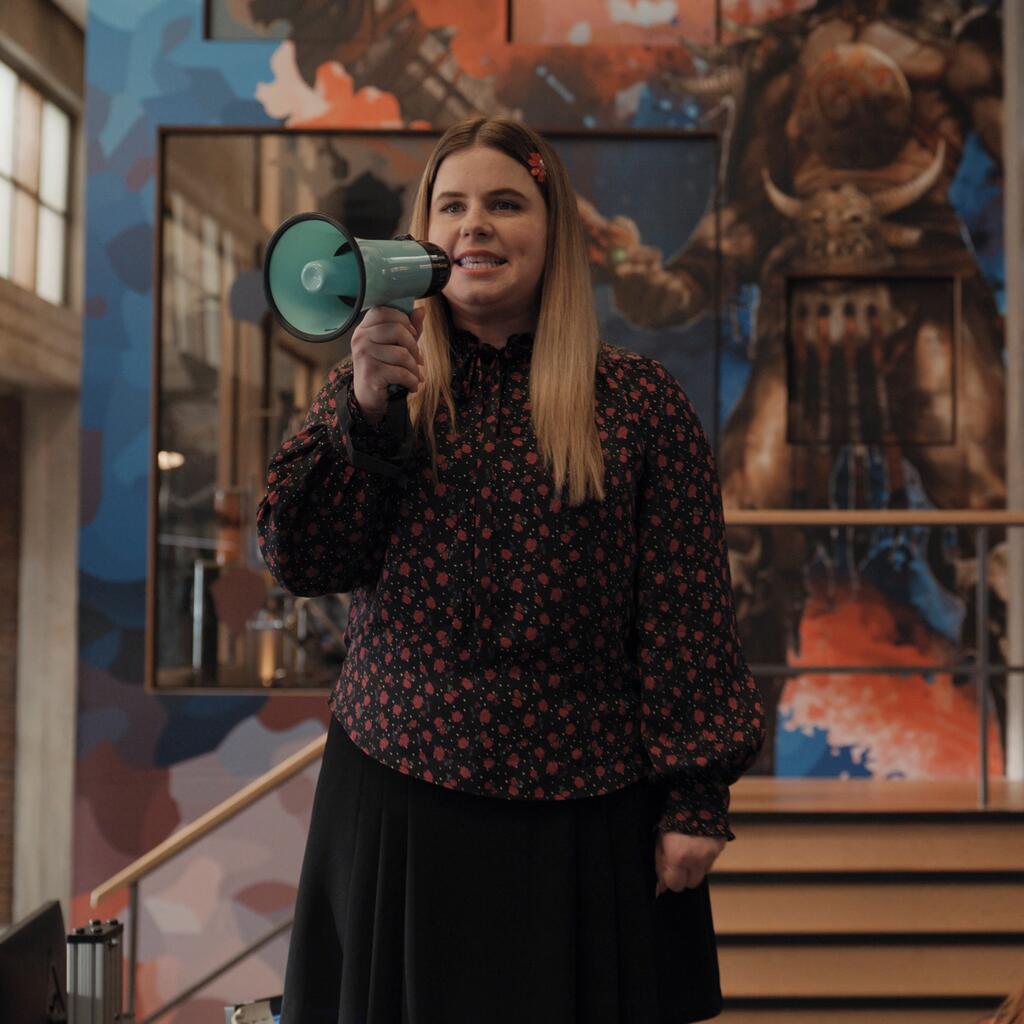
“Ian, you must reclaim your Alpha status. Fight him! Hand to hand!” – Jo
Jo is Mythic Quest’s dutiful and intense executive assistant. Her personality is most similar to that of the ESTJ: conventional and tough-minded with a deep respect for authority.
As the newest member of MQ, Jo attempts to align herself with whomever she views as the most alpha male in the company. Although she originally works for David, she quickly gravitates to Ian because of his confident and authoritative leadership style, but eventually finds mentorship under Brad. Like many ESTJs, Jo believes in strict adherence to hierarchy and makes sure to enforce it. Her tendency to rule with an iron fist brings order to the often chaotic office–except for the times it causes even more chaos.
ESTJs are straightforward, loyal and honest friends and colleagues. Jo shows these traits in season 3 when she calls out Poppy and Rachel for being overdramatic about their problems at brunch and then takes them to drive tanker trucks to let out steam. However, the ESTJ’s rigidity and discomfort with emotions can at times make it difficult to maintain close relationships. Like Poppy, Jo sometimes misreads social cues and often oversteps boundaries.
Jo is the token “wholesome Midwestern conservative” at MQ. She doesn’t seem to mind having different views than many of her West Coast colleagues and often sees herself as superior to them, especially the much more liberal Rachel. When Jo took the employee evaluation personality test her result was the Shark, which was described as “cunning, never stops moving, honing their skills, handles pressure well.” Sounds a lot like an ESTJ to me!
Rachel Meyee: INFP, “The Healer”

“My ‘privilege’? Do you have any idea how hard it is to be a woman in gaming?” – Rachel Meyee
Idealistic, individualistic and a bit of a hopeless romantic, Rachel–who starts out as a video game tester at MQ–is likely an INFP personality type. INFPs are deeply guided by their core values, and pursue truth and meaning in everything they do. Similarly, Rachel is outspoken about important issues, such as sexism and discrimination at work. While she has a tough exterior, Rachel is an empathetic and sensitive person, traits that make her stand apart from many of her MQ colleagues.
INFPs are known for their idealism and integrity. When Brad, head of monetization, loses his job, he recruits Rachel to take it over because she understands how to sell to gamers in an authentic way. She is also a champion for the causes she cares about, like in season 3 when we find out that Rachel fought for employees to receive mental health days (which went totally unappreciated–of course!).
Rachel’s struggles at work are also common among INFPs: she’s known for being overly sensitive, indecisive and a bit too vulnerable. When she develops feelings for her colleague Dana, Rachel continuously goes to Carol in HR for advice, despite Carol very clearly explaining to her that the conversation isn’t appropriate at work.
Throughout the series, Rachel struggles to decide what she ultimately wants to do for her career. She bounces between following her heart and floating into whatever role other people assign her. On the employee evaluation personality test, Rachel scores as a Baboon: “clever, outspoken, attention-seeker, possesses multiple priorities.” In typical INFP fashion, Rachel protested her personality being reduced to an animal.
Fun fact: Rachel and Jo’s opposing political views are a recurring theme on the show. A Truity survey suggests there is some truth to their personality’s political leanings, finding that ESTJ is the type most likely to identify as Republican and INFP is the type most likely to identify as Democrat.
David Brittlesbee: ESFJ, “The Provider”
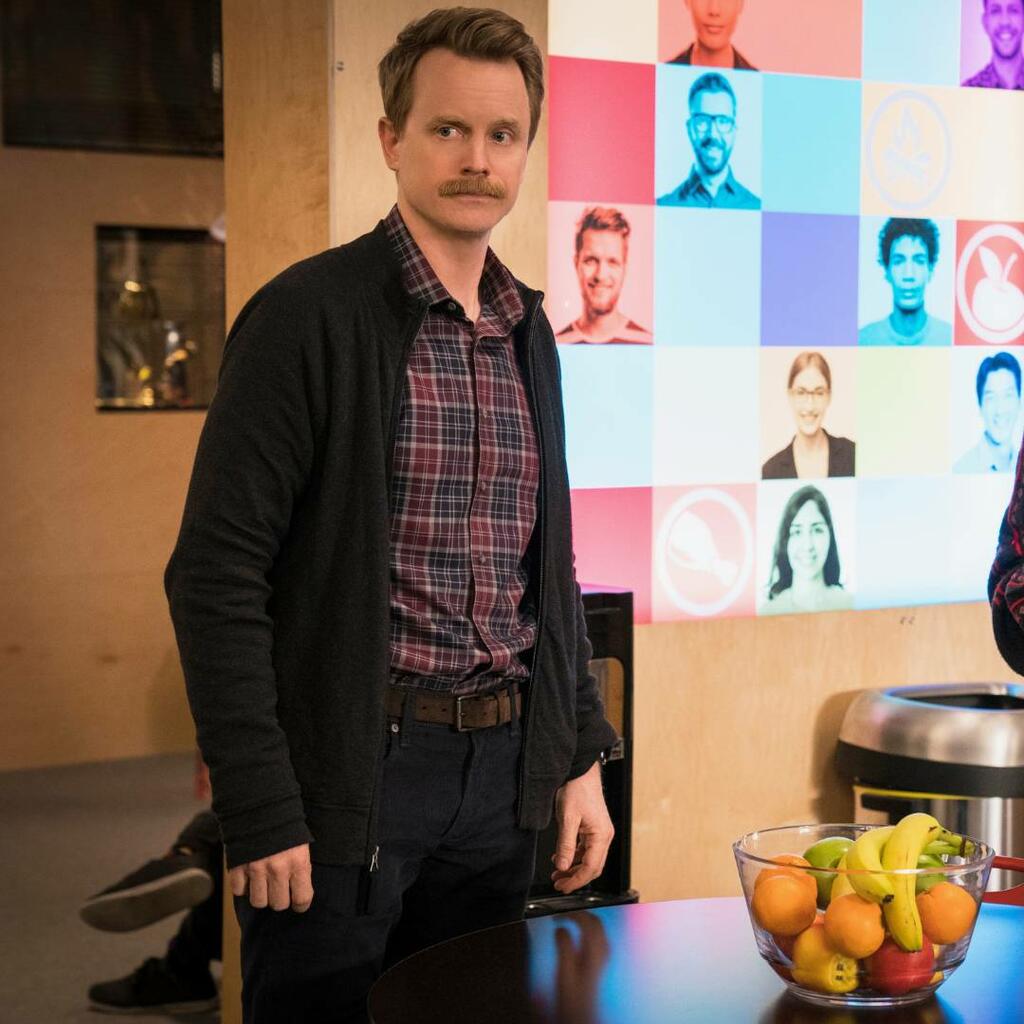
“Seriously? You don’t know Brene Brown? I’ll send you some links, bro. She’ll change your life.” – David Brittlesbee
The conscientious and upbeat Executive Producer of Mythic Quest is likely an ESFJ personality type. Like David, ESFJs are responsible, loyal and sensitive to the needs of others. Although David is technically the boss, his lack of confidence and people-pleasing tendencies often hinder his ability to lead the team effectively.
As leaders, ESFJs are warm, practical and organized. David brings a pragmatic energy to Mythic Quest and is often the person trying to talk his employees off a ledge. For example, when MQ’s writer, C.W. Longbottom, believes that AI has taken over the game, David reassures him that is not possible. David’s people-management skills shine when he works with employees to solve individual problems, like when he helps Jo and Brad get small tasks accomplished by implementing a chocolate chip cookie-based reward system.
However, ESFJs can struggle with their need to be seen as helpful and trustworthy. David is constantly torn between his desire to be on the good side of both the higher-ups at corporate and the Mythic Quest creative team. When he finally gets the courage to stand up to corporate, he goes too far and ends up temporarily losing his job. He also struggles to solve big-picture problems. When hate groups are discovered in the game, he puts together an ethics committee to determine the most fair way to deal with the problem, but after lengthy conversations, he fails to come up with a solution.
Although originally scoring as a Wolf, David discovered he took the employee personality test wrong and is actually a Butterfly, described as “kind, authoritative, listener, flighty, and actively supportive of company goals.”
Dana Bryant: ESFP, “The Performer”

Game tester-turned-programmer Dana shares the same fun-loving and confident personality traits of the ESFP personality. Perhaps the most well-liked person in the office, Dana is known for her sense of humor, style and positive energy.
At work, ESFPs thrive in environments where their cheerful and entertaining personality can shine. Although she starts out as a tester, Dana quickly becomes a streamer for MQ when Ian and Poppy discover how charismatic she is at a gaming convention. Dana also helps encourage Poppy to pursue her new game, Playpen, convincing her that even though it’s simple and child-like, it’s fun–and fun is what people like.
ESFPs can struggle with conflict and long-term planning. When Dana and Rachel start dating, their mutual aversion to conflict is an issue in the relationship. Instead of planning for the future, Dana prefers to adapt to the moment. She sometimes lets her excitement get the better of her, like when she quits her job to attend Berkeley before finding out if she even got in.
Dana’s animal personality type was the Otter, which was described as “enthusiastic, reliable, optimistic, attempts challenges that play to strengths.” She rejected her test result, claiming the Wolf instead, thinking it would make people take her more seriously. But, considering that ESFPs are definitely Otters (see this Truity blog post that proves it), I have to agree with the original assessment.
Brad: ENTJ, “The Commander”

“It’s my dream to build my own money bin, so that I can bathe in my hoarded wealth.” – Brad
Brad is Mythic Quest Studio’s Head of Monetization, aka the person in charge of making the company as much money as possible. Confident, strategic and the king of office “power plays,” Brad is most similar to the ENTJ personality type.
ENTJs don’t mind criticism and rarely take things personally. Although he is constantly called out by Poppy for being an “arsehole,” Brad accepts–even seems to enjoy–that others see him as evil. ENTJs have a dominant presence that often leads to getting what they want. Even after losing his job as head of monetization, going to prison and returning as MQ’s janitor, Brad manages to convince several employees to follow his orders.
ENTJs can sometimes come across as overly critical and even arrogant to others. His strategically manipulative nature constantly antagonizes David, who can’t seem to figure out what scheme Brad is planning next (he just knows it’s probably something bad).
Unlike most ENTJs, Brad is kind of a terrible person (we find out in season 2 that some of his toxic behaviors may be because of childhood trauma), but he does have a soft side. ENTJs are often very kind to and protective over the people they care about, and we see this side of Brad when he helps David find a girlfriend, gives himself up to the Feds to protect Jo, and gets Dana her old job back as a favor to Rachel (even if he says he does it so he can “own” her).
Carol: ISTJ, “The Inspector”

“Did you know they changed math? They just up and changed how you do math.” – Carol
All Carol wants is to do a good job as the head of Human Resources at Mythic Quest–and for everyone else to leave her alone. Unfortunately for the ISTJ, the latter rarely happens. Diligent and organized, Carol is constantly trying to bring order and sense to the workplace with little success.
ISTJs like to feel useful, a need that often goes unmet for Carol. When promoted to Head of Diversity and Inclusion, she becomes frustrated that there isn’t much for her to do since she isn’t given any resources or support to make any impactful changes. Unlike ESTJ Jo, whose commanding presence makes an impact even though she is an assistant, Carol struggles to get people to listen or do what she wants, even those she has a leadership role.
ISTJs take their responsibilities incredibly seriously. When she has to get every employee to sign off on their personality test result, Carol keeps a handful of disgruntled employees around after-hours, putting up with their drama until everyone finally signs off.
Although she fits in at MQ as well as a spreadsheet at a finger-painting class, Carol’s ISTJ loyalty and perseverance make her a beloved part of the dysfunctional MQ family.
C.W. Longbottom: ENFP, “The Champion”
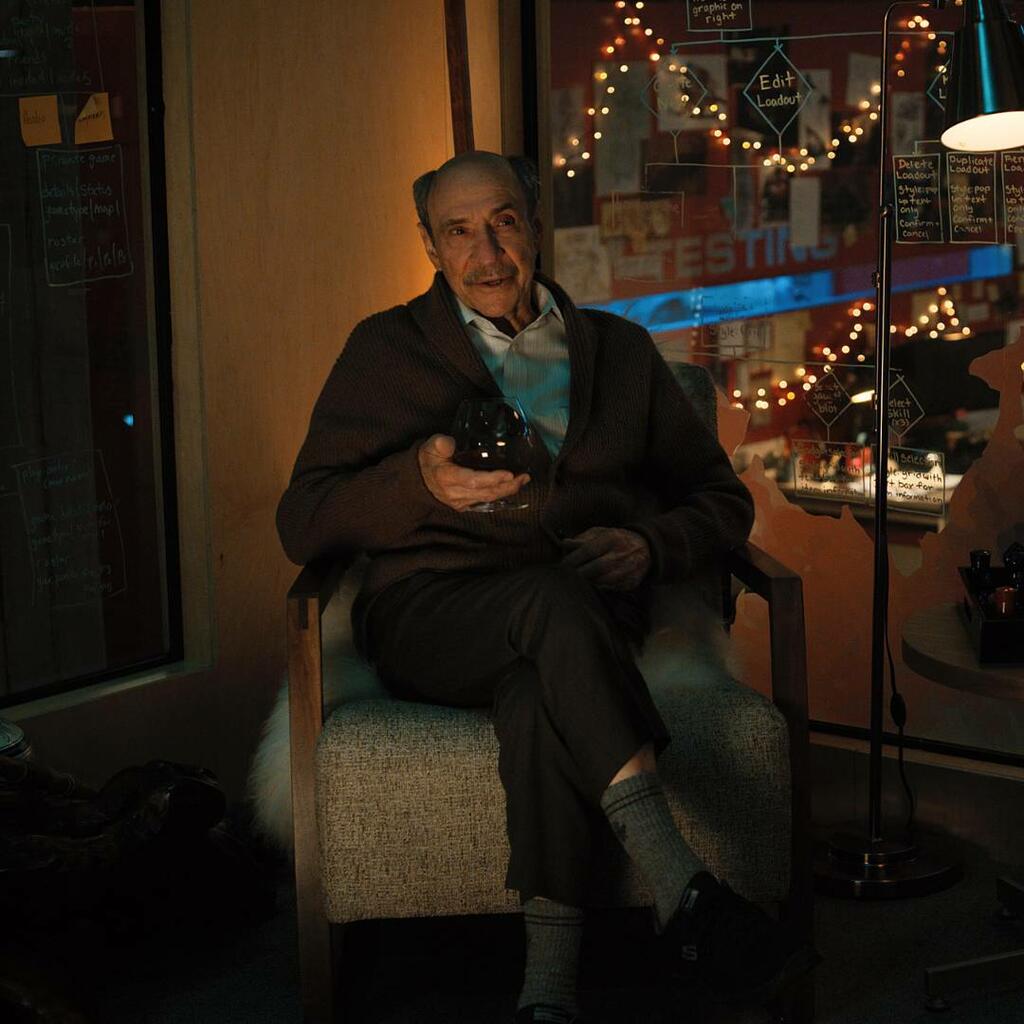
“Apologies, I was lost in my own ennui.” – C.W. Longbottom
Whether you call C.W. Longbottom a Nebula Award-winning author, a backstory connoisseur or a fraud, what is true about Mythic Quest’s writer is that he’s likely an ENFP personality type. Eccentric, creative and philosophical, C.W. champions storytelling that thinks outside the box while maintaining a strong emotional core.
ENFPs are imaginative leaders, often unafraid of taking on demanding challenges. While they can generate a thousand big ideas, they can sometimes struggle with focus and follow-through. We see these traits in C.W., particularly in the episode “Backstory!”, which dives into his past as a young writer in the early 1970s.
C.W. writes a futuristic novella that falls flat among the colleagues he shares it with, primarily because he struggles to tie his off-the-wall ideas together into a cohesive narrative. Although his early storytelling lacks substance, C.W.’s vast imagination allows him to see the possibilities for storytelling in video games far ahead of his time.
As an ENFP, C.W. has strong emotional responses to criticism and is not afraid to stand up to perceived injustices. When his colleague at the publishing house, A.E. Goldsmith, admits to lying about showing his novella to their boss, he reacts badly, claiming she is lording her power unjustly over him. This trait makes him similar to his INFP counterpart, Rachel. Although in many ways their worldviews could not be more different, the two share a special kinship at Mythic Quest. In later life, C.W. shows ENFP growth when he eventually comes to realize how he allowed hurt feelings and misunderstandings to negatively impact many important relationships in his life and attempts to reconcile before it’s too late.
Sue: ISFJ, “The Protector”

“Gosh, feels like I’m just herding cats here. Which when it’s on the weekends I actually enjoy.” – Sue
Deep in the basement of Mythic Quest headquarters works Sue, the company’s Community Manager. Compassionate, detail-oriented and extremely dedicated to the MQ players who berate her daily, Sue is likely an ISFJ personality type.
Like Sue, ISFJs are energized in jobs where they can work behind the scenes supporting others and pragmatically solving problems. They’re conscious, loyal and methodical and can struggle with change and uncertainty. As an ISFJ, Sue is positive and upbeat when things are going relatively well at work. But when things go wrong, as they often do, Sue struggles with not being able to immediately resolve the issue, which brings out a much more neurotic side to her personality.
Overall, Sue brings a grounded, people-centered perspective to the company. Her strong work ethic means that she is often overloaded with the demands of the job, yet she rarely complains. She offers insights when asked, but unlike many of the other characters, she seems happy to sit back and let other people steer the ship–as long as the players are happy!
When Sue took the employee evaluation test, her personality type was a Mouse, described as “humble, respectful, honest, a good team player.”
Brendan (Pootie Shoe): ESTP, “The Dynamo”

Playful, adaptable and energetic, Brendan (known by his streamer name Pootie Shoe) is likely an ESTP personality type. Brendan is a popular teenage livestreamer with millions of followers. Brendan often stirs up trouble for the MQ team, like when he shares information on his channel about Ian’s legal battle, or when he hacks into the MQ servers to take control of the Masked Man character.
ESTPs are known as the Dynamo because of their ability to think on their feet and adapt quickly. These traits give Brendan the ability to cause chaos for Mythic Quest both inside the game and among the employees who are trying to control him.
Like Brendan, ESTPs are bold, sociable and unafraid to call it like they see it. However, they can also be judgmental, impatient and insensitive. Brendan shows these qualities in how he treats his mom when she interrupts a livestream, as well as how he engages with Ian, who is later revealed to be his father.
Michelle: ISTP, “The Craftsman”
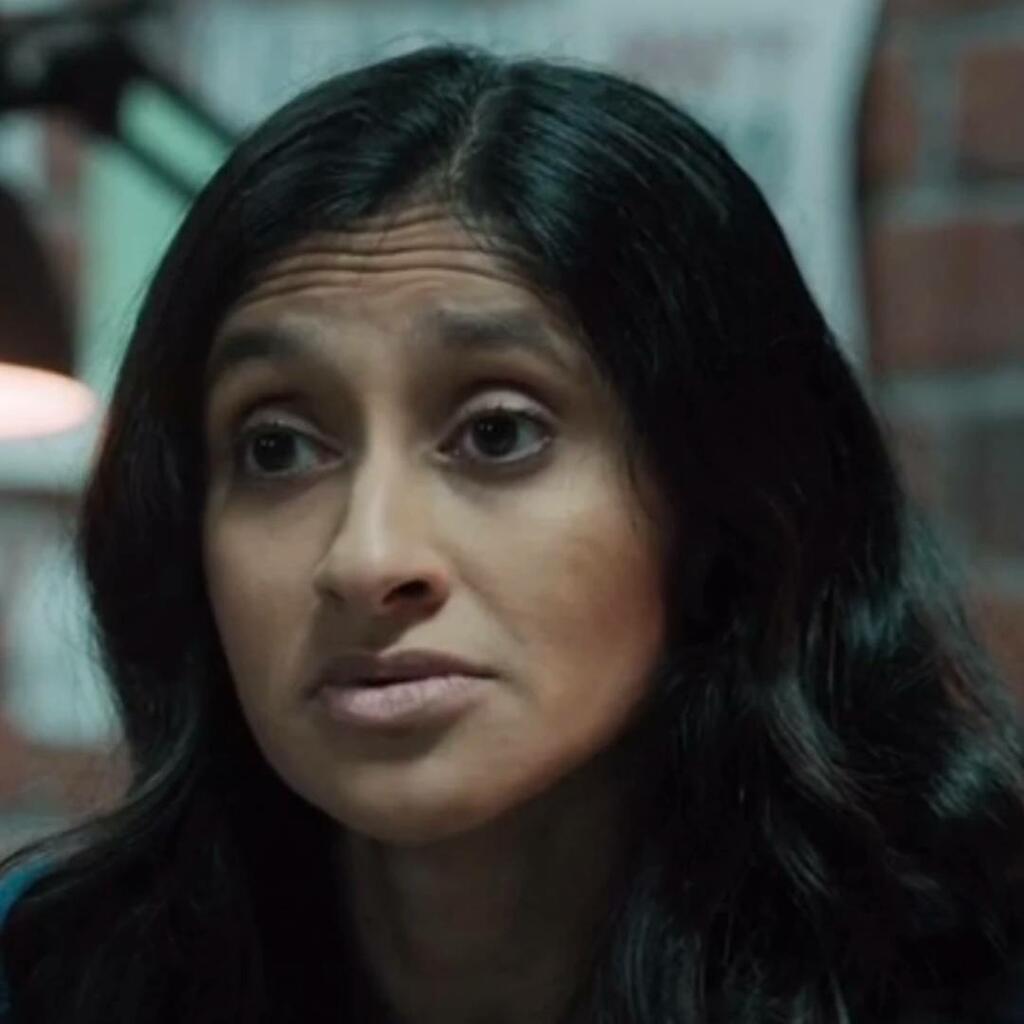
Sarcastic and blunt, Michelle works for Poppy as the only other female programmer at Mythic Quest. As an ISTP, Michelle is independent, observant and adaptable. She is typically OK with going with the flow, especially when she gets something out of it, like when Brad pays her $1,000 to remind Poppy of how much the company needs him.
ISTPs often prefer to work with machines over people, which is why computer programmer is a popular ISTP career. Michelle is mostly apathetic about her job. She admits to working on her resume during the workday and paints a brutally honest picture of the difficulties of being a woman in tech to a Girls Can Code group visiting the studio.
While ISTPs usually work behind the scenes, they can quickly jump into action when needed, like when Michelle steps into a leadership role to fight for workers’ rights. When news of unionization spreads, David and Brad meet with Michelle and are surprised to learn that all she’s asking for is overtime pay.
Doc: ENFJ, “The Teacher”
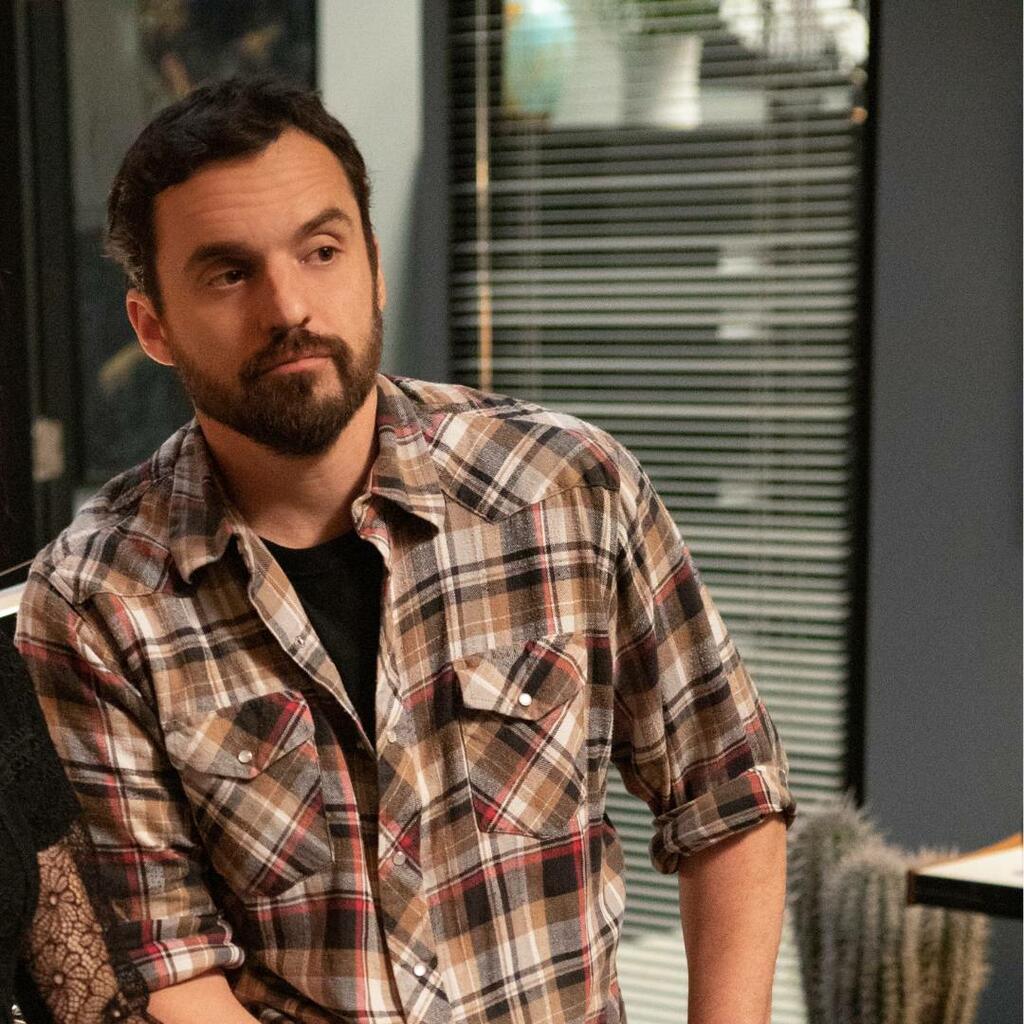
“It’s you and me, all the way at the bottom fighting everybody off. It always has been and it always will be, OK?” – Doc
Although they only appear in a single episode in season 1, the characters Doc and Beans give viewers a glimpse into the video game industry of the 1990s and early 2000s, and serve as a warning for what could be yet to come for Mythic Quest.
The character known as “Doc” is a video game developer who meets his future wife, “Beans” at a video game store. The two go on to develop Dark Quiet Death, which becomes a massively successful video game. As an ENFJ, Doc is enthusiastic, charismatic and future-oriented. He sees the potential in Beans’ vision and helps her get the funding and support needed to make it a reality.
ENFJs are persuasive communicators who often end up in leadership positions. Doc eventually becomes the head of his and Beans’ successful studio and convinces her to continue expanding the game to please investors and create more mass appeal. However, ENFJs can struggle with the need to please, and Doc’s desire to make everyone happy is ultimately his downfall.
Bean: INTJ, “The Mastermind
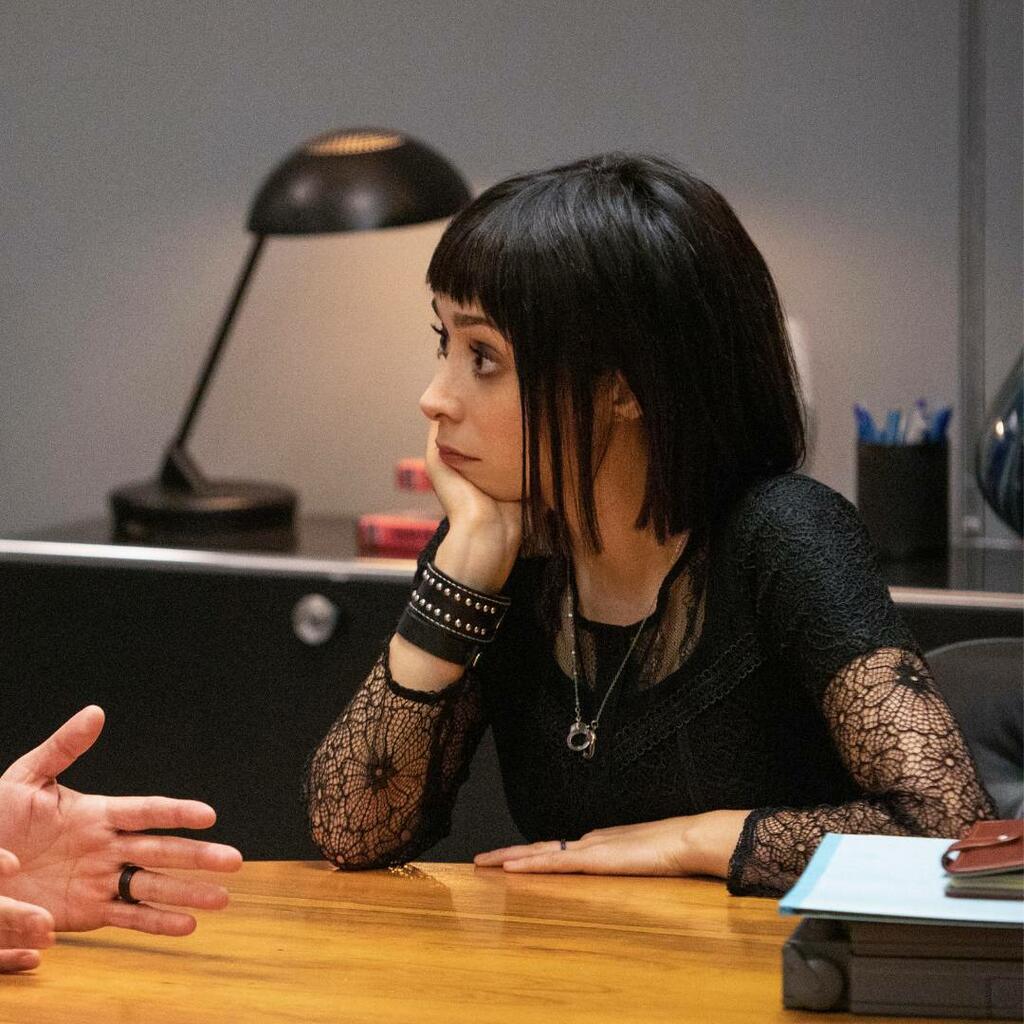
“I want something bleak and hopeless, like real life.” – Beans
Beans is a sarcastic, principled and reserved INTJ. With a penchant for doom and gloom, Beans develops the idea for Dark Quiet Death, a game with no end where players have only a flashlight to keep monsters away.
INTJs are analytical and innovative problem-solvers. Beans creates Dark Quiet Death when she realizes there is no similar game on the market. INTJs can struggle with work-life balance, as they are often perfectionists who give their all to their work. Beans considers the game her “baby,” and is incredibly dedicated to making it great. But the constant demands for change from investors and Doc–essentially stripping everything from it that she believes makes DQD special–eventually leads to her becoming disillusioned with the game.
INTJs can struggle to understand and express their feelings, and we see this in Beans as she continues to go along with the changes until she finally leaves both Doc and the company altogether.
A.E. Goldsmith: INFJ, “The Counselor”
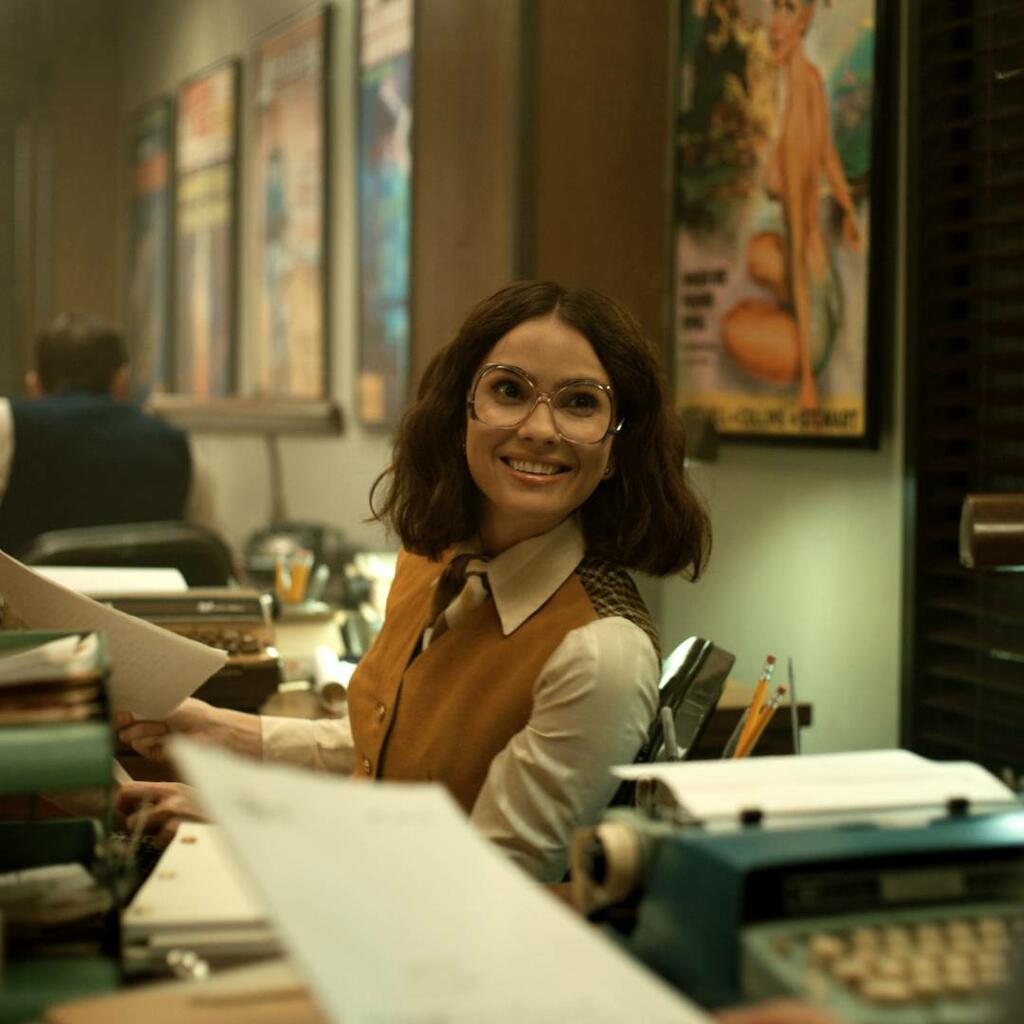
“Make your vision compelling. Really see the world that’s yet to come.” – A.E. Goldsmith
A.E. Goldsmith is a writer and C.W. Longbottom’s colleague at the publishing house in the 1970s. Although she is only featured physically in one episode, A.E.’s thoughtful and empathetic INFJ presence has a big impact on C.W.
INFJs are insightful thinkers who enjoy helping others, and we see these traits in how A.E. eagerly supports her colleagues and fellow writers. She reads their work and offers advice, and after she is published she offers to use her position of power to help them get published as well. INFJs tend to always have an eye on the future, and A.E. offers invaluable advice on how C.W. can turn his vision into reality.
INFJs dislike conflict and prefer to keep the peace. It’s clear that A.E. is less than impressed with C.W.'s writing, but she’s incredibly careful and tactful in how she addresses her concerns, not wanting to hurt his feelings. When C.W. has an emotional outburst and makes a sexist remark to A.E., she responds calmly, reacting with empathy for him, showing the INFJ strengths of patience and compassion.
Paul: ISFP, “The Composer”

Paul’s caring and low-key personality likely make him an ISFP personality type. “Tall Paul” first appears in season 1 as an intern who intimidates Ian because of his large stature. Although on the outside he looks like a gentle giant, it turns out that Paul is quite impressive: he’s well-read, speaks fluent Spanish and is a combat veteran.
ISFPs like Paul prefer to support others rather than assert themselves or draw attention. Despite their quiet and laid-back demeanor, they will often step up to help others or offer support, like when Paul offers to fix Ian’s back (even as Ian is attempting to emasculate Paul).
One of the ISFP’s biggest strengths lies in their ability to see things that others miss. Paul demonstrates this ability when he is the first person to realize that the Masked Man character has been hacked. However, he struggles to understand the implications of what it means for the company, asking, “Is that bad?” This demonstrates the ISFP’s weakness when it comes to understanding future consequences.
Which Mythic Quest Character Are You?
Whether you see yourself as a fearless visionary like Ian, an overworked genius like Poppy or a ruthless enforcer like Jo, Mythic Quest proves that every workplace needs a mix of personalities—no matter how disastrous that mix might be. The show’s absurd office dynamics remind us that even the most mismatched teams can create something brilliant… or at least wildly entertaining.
So, the next time you find yourself navigating workplace chaos, just ask: “What would my Mythic Quest alter ego do?” And then do the exact opposite of that (especially if you happen to be a Brad).
Megan Malone is an executive coach, writer, and emotional wellness advocate with a Master’s in Organizational Psychology. As the educational content and training lead at Truity, she has delivered workshops and team trainings for leading organizations, helping people understand themselves and work better together. An INFJ and Enneagram 9, Megan lives in Dallas, Texas, with her husband and daughter. You can also find her on Substack.


