
The Era of History You'd Thrive In, Based on Your Enneagram Personality Type
Have you ever felt like you were born in the wrong era? Imagine time-traveling to a world perfectly suited to your personality — where your natural gifts and values align effortlessly with the spirit of the time.
Whether you’d be leading a grand empire in Ancient Rome, writing poetry in a candlelit study during the Romantic Era, or dancing through the jazz-filled nights of the Roaring Twenties, somewhere in history lies a place where you’d truly thrive. Let’s take a journey through time and discover which era of history would have been your perfect match, based on your Enneagram type!
Type 1: The Renaissance Era
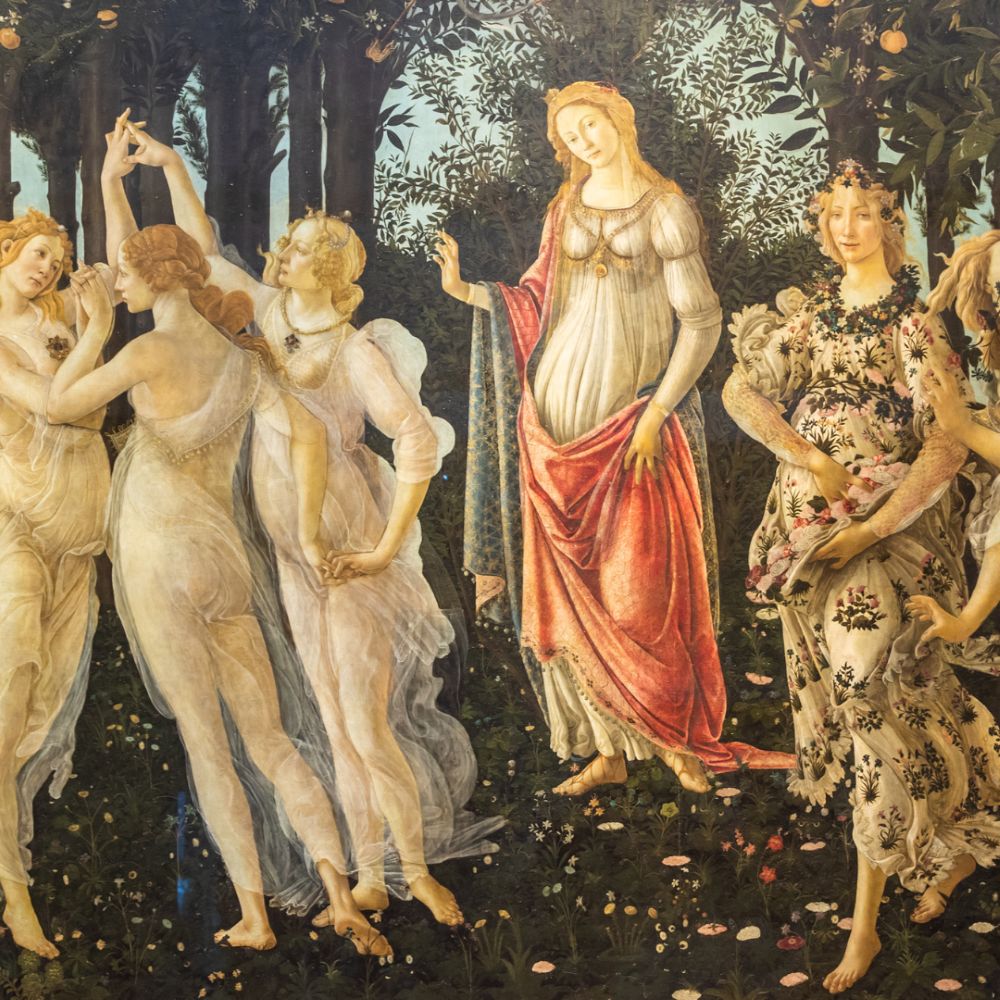
“'Tis the business of little minds to shrink, but they whose heart is firm, and whose conscience approves their conduct, will pursue their principles unto death.” – Leonardo da Vinci (1452–1519), Italian painter, architect and inventor
The Renaissance Era, spanning roughly from the 14th to the 17th century, marked a period of profound cultural, intellectual and social transformation in Europe. The invention of the printing press revolutionized the spread of knowledge and empowered more people to engage with ideas about justice, equality and human rights. Some of the most famous writers, artists and intellectuals of the period included Leonardo da Vinci, William Shakespeare and Thomas Hobbes.
With their focus on ethics and virtue, Enneagram Ones would thrive in this period of history. Ones strive to be honorable people who live their lives with purpose, and the Renaissance Era would give them ample opportunities to improve society with a focus on dignity and morality. Diligent Ones would also appreciate the structured and orderly aspects of Renaissance society. This era’s pursuit of truth and excellence aligns with the One’s deep desire for improvement, whether in the form of justice, moral philosophy or artistic mastery.
As a One, you may have been a scholar advocating for social reform, a meticulous artist perfecting their craft or a philosopher shaping the ethical foundations of modern thought. In an age where ideals were redefined and human potential celebrated, Ones would find both inspiration and purpose in helping to shape a better world.
Type 2: The Victorian Era
“Someday, somehow, I am going to do something useful, something for people. They are, most of them, so helpless, so hurt and so unhappy.” – Edith Cavell (1865-1915), British nurse and pioneer of modern nursing
The Victorian Era, spanning from 1837 to 1901 during the reign of Queen Victoria, was a time of significant social, economic and technological change in Britain. Driven by religious and moral values, this era emphasized social responsibility, philanthropy, social ties and strict social etiquette. It was a time when the idea of duty to others was deeply ingrained in society, with charitable efforts aimed at addressing the pressing issues of poverty, illness and inequality. Notable people of this era include Queen Victoria, Charles Dickens and Edith Cavell.
Enneagram Twos would thrive in this era as the focus on compassion and helping others aligns perfectly with their desire to care for and uplift those around them. Twos would appreciate the organized efforts to address poverty, improve living conditions and provide not just financial assistance to those in need, but also moral guidance and life skills.
As a Two living in the Victorian Era, you may have been actively involved in charitable organizations, social reform movements or even the growing networks of women's suffrage and social advocacy. In this age, there were numerous opportunities to lead by example and improve the lives of others, and in doing so, fulfilling the Twos profound need to offer support and make a meaningful difference in the world.
Type 3: The Gilded Age
“Every act you have ever performed since the day you were born was performed because you wanted something.” – Andrew Carnegie (1835-1919), Scottish-American industrialist and philanthropist
Roughly spanning from the 1870s to the early 1900s, the Gilded Age was a period of rapid economic growth, industrialization and social change in the United States. The Gilded Age was characterized by a "rags-to-riches" ethos, where individuals sought personal success through hard work, ambition and innovation. The country saw the rise of monumental industries like steel, oil and railroads, with figures like Andrew Carnegie and John D. Rockefeller embodying the pursuit of wealth and power. At the same time, the Gilded Age was marked by stark contrasts: vast fortunes being made alongside significant social inequalities.
Ambitious Enneagram Threes would have thrived in this highly competitive era of history, appreciating the opportunities for personal achievement, status and wealth. The Gilded Age was a time when success was often measured in visible, material terms — perfectly aligning with a Three’s drive for accomplishment and recognition. As relationship-oriented types, they would have celebrated the vibrant social life of the period and the invention of the telephone, which revolutionized communication.
With your natural charisma and work ethic, you may have excelled in business, possibly becoming an influential entrepreneur or executive. In this period, Threes could craft a legacy built on both personal success and their ability to navigate the complex social dynamics of the time, while contributing to the country’s transformation into a global economic powerhouse.
Type 4: The Romantic Era
“Give me books, French wine, fruit, fine weather and a little music played out of doors by somebody I do not know.” – John Keats (1795-1821), English poet
The Romantic Era, which spanned from the late 18th century to the mid-19th century, was a cultural and artistic movement that emphasized emotion, individuality and self-expression. Emerging as a reaction against the Enlightenment’s focus on reason and the Industrial Revolution’s mechanization, Romanticism sought to explore the depths of human experience, the power of nature and the richness of imagination. This period gave rise to some of history’s most iconic artists, poets and musicians such as Robert Burns, John Keats and Frederick Chopin.
Creative and sensitive Enneagram Fours would likely find kinship with the era’s focus on personality identity, emotional exploration and self-expression. Fours often march to the beat of their own drum, finding inspiration in their unique emotional experiences. Like Fours, Romantics challenged established norms, and their strong sense of individuality and personal freedom fueled revolutionary movements across Europe.
As a Four, you would have likely engaged in artistic pursuits common during this era, such as poetry, music and painting. Whether penning heartfelt verses, composing music that stirred the soul, or creating works of art that challenged the status quo, Fours would have flourished in a world that prized creativity, emotion and individuality.
Type 5: The Enlightenment Era
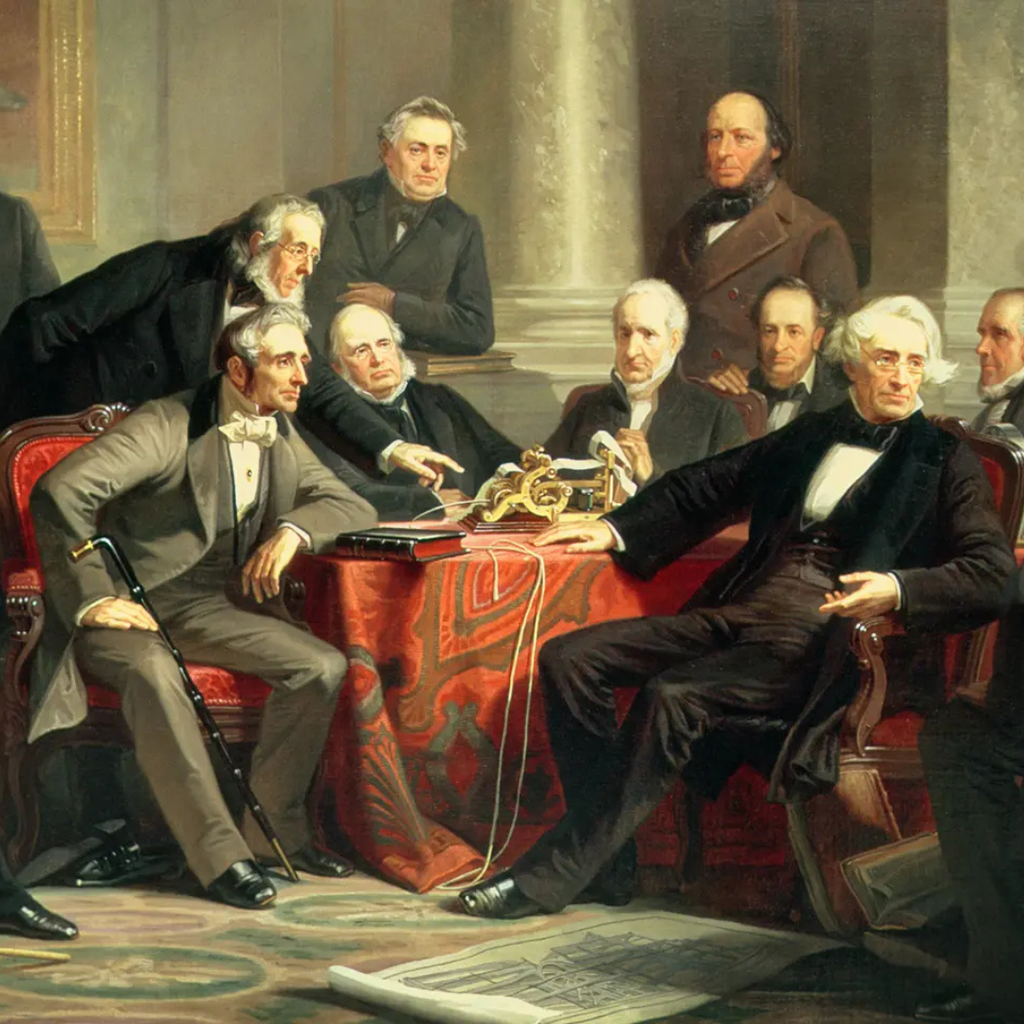
“Think for yourselves and let others enjoy the privilege to do so, too.” – Voltaire (1694-1778), French writer, philosopher and historian
The Enlightenment Era, spanning from the late 17th to the early 19th century, was a period of profound intellectual, cultural and scientific transformation in Europe and the Americas. Also known as the "Age of Reason," this era emphasized individualism, skepticism of traditional authority, and a commitment to knowledge and progress. This era was characterized by an explosion of new ideas in philosophy, science, politics, and literature, as thinkers like John Locke, Voltaire and Isaac Newton pushed the boundaries of understanding.
As the type most motivated by acquiring knowledge and competence, Enneagram Fives would thrive during this period of intellectual exploration. The Enlightenment celebrated philosophical debates, scientific inquiries and the development of new theories and inventions – all exciting things for the “Investigators” of the Enneagram.
With your natural curiosity and love for intellectual challenge, you would have thrived during the Enlightenment Era, possibly contributing to the scientific advancements of the time or engaging in the great philosophical discussions that sought to redefine society. The Enlightenment would have offered Fives the freedom to delve deeply into their intellectual passions while helping shape the future of human thought and progress.
Type 6: Colonial America
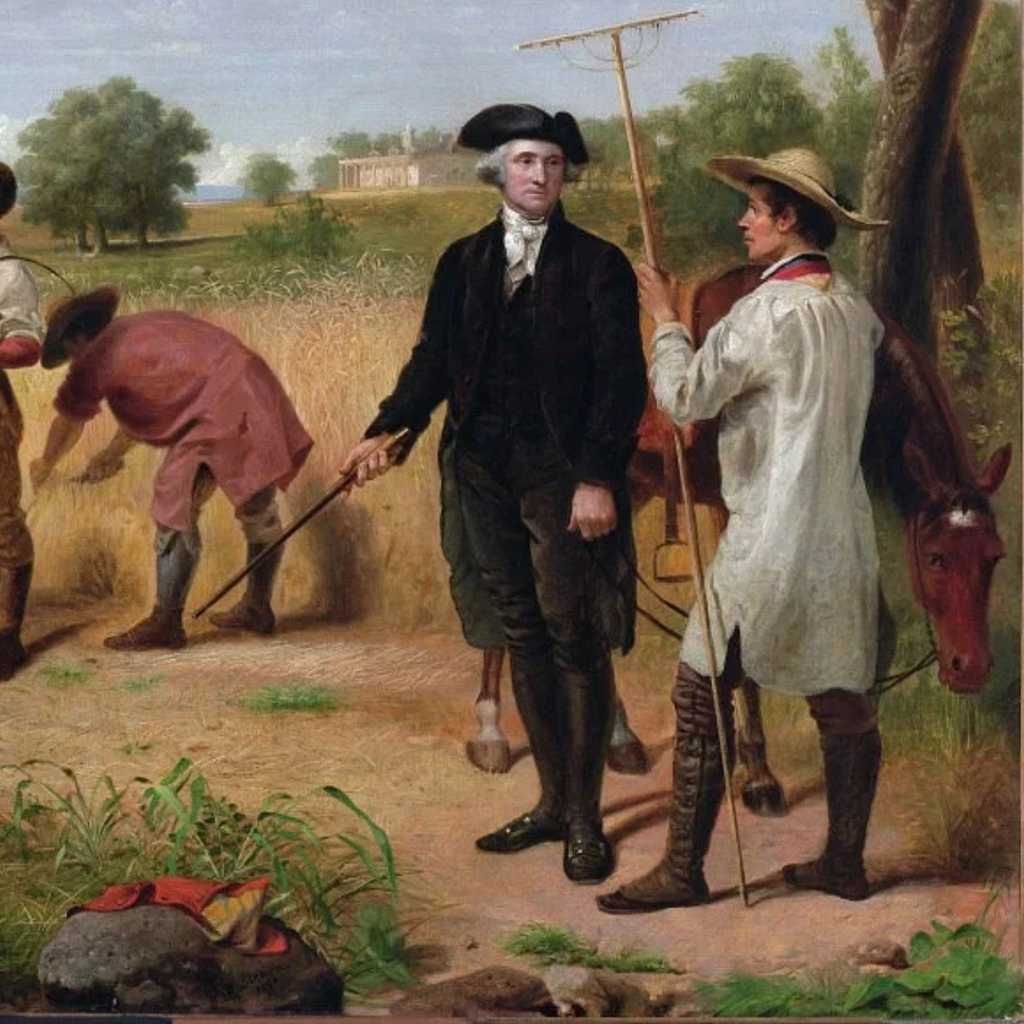
“The pain of preparation is nothing like the pain of losing.” – John Smith (1579-1631), British soldier, explorer and Colonial governor
Colonial America, spanning from the early 1600s to the late 1700s, was a period defined by the establishment of settlements, growth of communities, and the development of social norms and values. Amid the challenges of survival in an often harsh environment, the settlers emphasized responsibility, community and loyalty as central tenets of their way of life. Key figures like George Washington, Benjamin Franklin and John Smith exemplified the leadership and determination required to navigate the time.
Since they are motivated by a need for safety and security, Enneagram Sixes are uniquely fitted for the type of roles that were essential to survival during the Colonial period. With their strong loyalty, vigilance and team spirit, Sixes would appreciate the camaraderie and interdependence of living in a close-knit community, while working to establish systems and structures to improve security.
As a Six, you may have embraced colonial responsibilities, which included serving in militias, maintaining roads and contributing to community projects like building churches and town halls. The communal nature of colonial life resonates deeply with the Type Six’s values, providing an environment where their commitment to safety, order and collective well-being was both necessary and appreciated.
Type 7: The Roaring Twenties
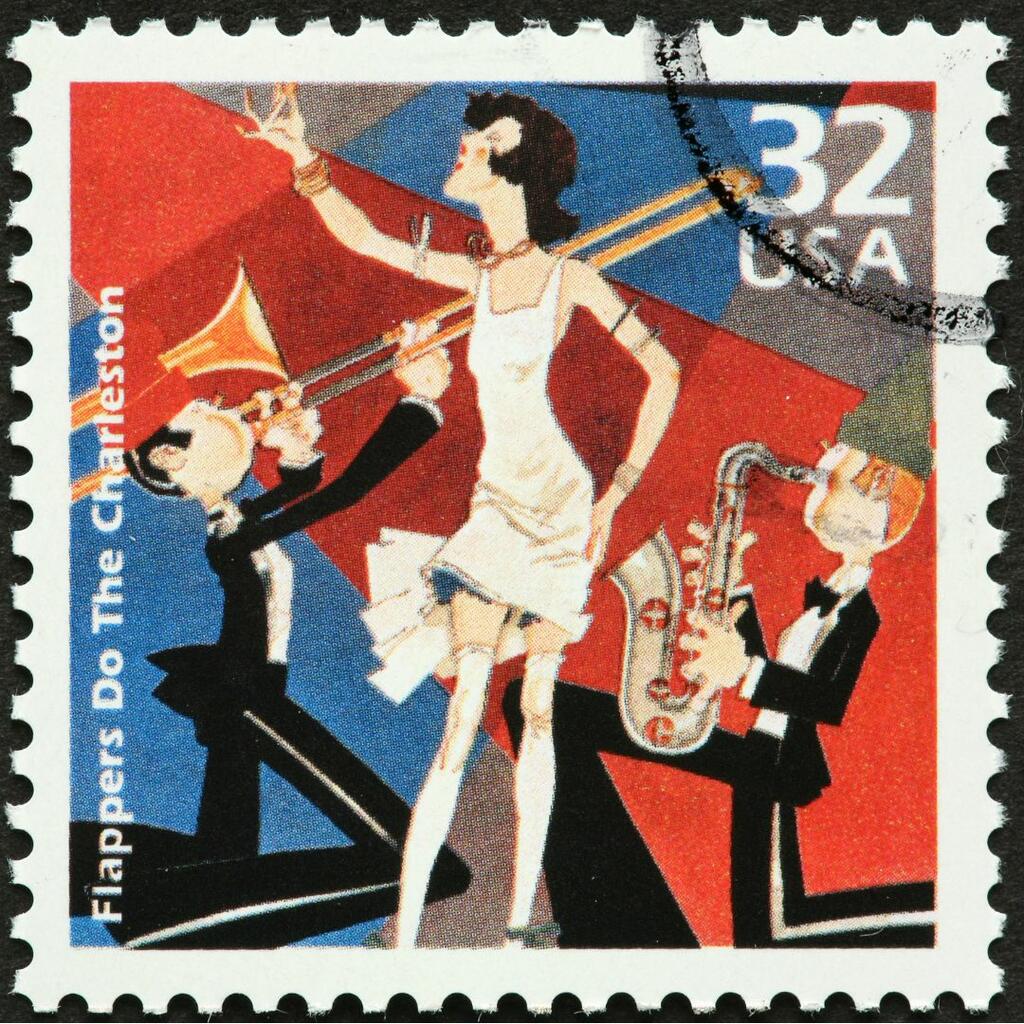
“I am not young but I feel young. The day I feel old, I will go to bed and stay there. J'aime la vie! I feel that to live is a wonderful thing.” – Coco Chanel (1883-1971), French fashion designer and businesswoman
The Roaring Twenties, spanning from 1920 to 1929, was a period of cultural, social and economic transformation in the United States and much of the Western world. The decade was marked by a spirit of fun and excitement, a flourishing of the arts and a new sense of individual freedom. The Twenties are often remembered for the dramatic departure from the constraints of the past, as the decade embraced more liberated and exuberant lifestyles. Figures like F. Scott Fitzgerald, Louis Armstrong and Coco Chanel embodied the spirit of the time, pushing the boundaries of creativity, fashion and music.
Fun-loving and adventurous Sevens would thrive during this decade when society was breaking from past norms and exploring exciting new possibilities. The expansion of travel, including the rise of commercial airlines and the popularity of international vacations, would have satisfied their wanderlust, offering endless opportunities for exploration.
As a Seven, you may have embraced the energy of the era by enjoying the lively nightlife, dancing the Charleston at a jazz club, or playing a key role in innovative and creative industries. The Roaring Twenties was a time where Sevens could shine, surrounded by excitement, new experiences and the thrill of pushing boundaries.
Type 8: Ancient Rome
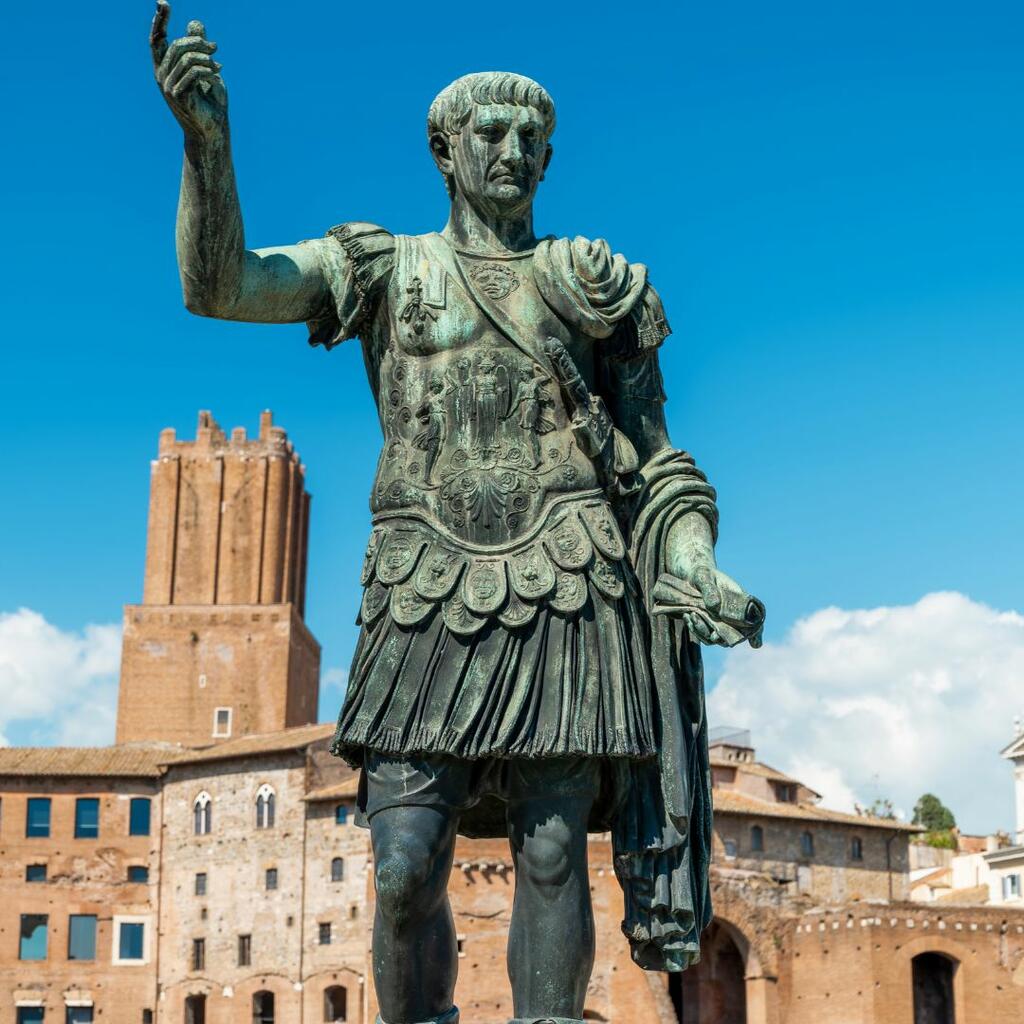
“Cowards die many times before their actual deaths.” – Julius Caesar (100-44 BCE), Roman general and statesman
Ancient Rome (753 BCE – 476 CE) was a civilization built on power, conquest and strategic leadership. Spanning centuries, it grew to a vast empire, known for its military dominance, political structure and engineering marvels. Roman society thrived on hierarchy and ambition, with clear pathways for those seeking influence through politics, warfare or commerce. Strength and decisiveness were valued above all, making it an era where bold and commanding individuals could rise to positions of great authority. This period saw the rise of monumental figures like Julius Caesar, Augustus and Marcus Aurelius, whose leadership shaped not only Rome but the future of the Western world.
Enneagram Eights would feel at home in Ancient Rome, where ambition and resilience were necessary for survival and success. Rome’s hierarchical structure would allow Eights to rise to the top, commanding respect and making bold decisions that would shape the empire’s future. Their natural leadership instincts and decisive nature would be well-suited to navigate the cutthroat political and military arenas.
As an Eight, you may have thrived in roles that allowed for bold leadership, whether as a military general, a politician shaping the empire’s laws, or even an emperor consolidating power. Rome’s culture of strength and dominance appeals to the Eight’s natural leadership instincts, allowing them to command respect and drive societal change through force of will and strategic action.
Type 9: The Sixties
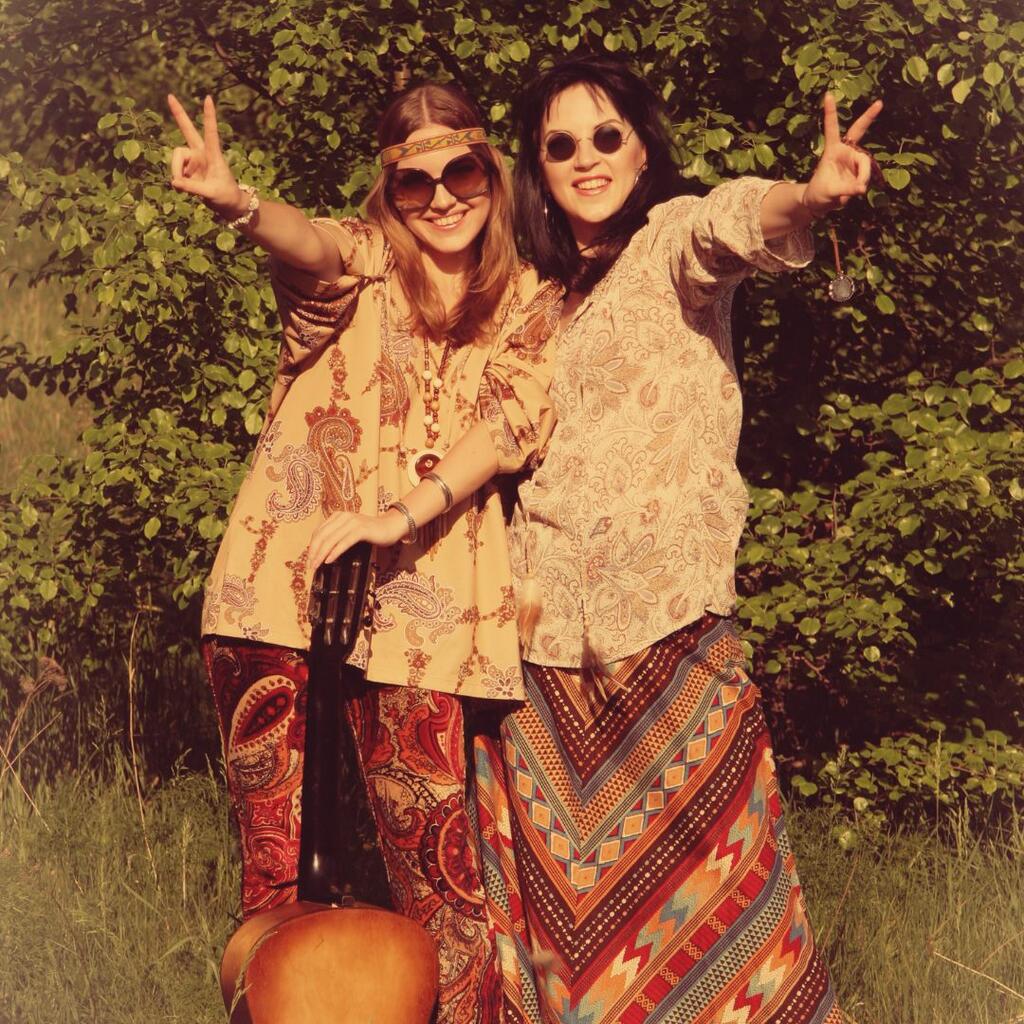
“Nonviolence is the answer to the crucial political and moral questions of our time; the need for mankind to overcome oppression and violence without resorting to oppression and violence.” – Martin Luther King, Jr. (1929-1968), American minister, activist and prominent leader of the civil rights movement
The 1960s was a transformative decade marked by a strong emphasis on harmony, social justice and inclusivity, as a variety of movements sought to challenge traditional norms and fight for greater equality and fairness in society. People across the globe sought to address issues of civil rights, gender equality and peace in the face of systemic injustice and conflict. The decade was shaped by influential figures such as civil rights leader Martin Luther King Jr., President John F. Kennedy and feminist leader Gloria Steinem.
With their mediating skills and desire for peace, Enneagram Nines would have fit in well in the Sixties. The decade’s ethos of peace and love resonates with the Nines' ability and desire to embrace diversity and work toward mutual understanding. The anti-war protests and the countercultural movements, such as the Hippie Movement, which rejected violence and sought a more peaceful and connected society, match the Nine’s values of harmony and acceptance.
As a Nine in the Sixties, you may have been involved in peaceful protests for civil rights, environmental protection and global social change, finding purpose in championing themes like unity, understanding and equality. With their sense of interconnectedness and dedication to peace, Nines could play an essential role in shaping the social and cultural shifts that defined the decade.
Your Enneagram Type in the Modern World
Although you can’t actually hop in a time machine and live out your best life in the Sixties or the Romantic Era, you can take inspiration from the past and lean into your strengths in the present. The qualities that would have made you thrive in another period of history — whether it's your leadership, creativity or sense of justice — are just as valuable today.
By embracing the Enneagram, and what makes you uniquely you, you can live a life that honors your gifts, shapes the world around you and helps you thrive in the here and now. While it’s always fun to romanticize the past, don’t forget that the future is yours to create!
Megan Malone is an executive coach, writer, and emotional wellness advocate with a Master’s in Organizational Psychology. As the educational content and training lead at Truity, she has delivered workshops and team trainings for leading organizations, helping people understand themselves and work better together. An INFJ and Enneagram 9, Megan lives in Dallas, Texas, with her husband and daughter. You can also find her on Substack.


